Where Is Sachiko Sakurai Now? The Hidden Truth Behind Her Sudden Exit After Koukou Kyoushi
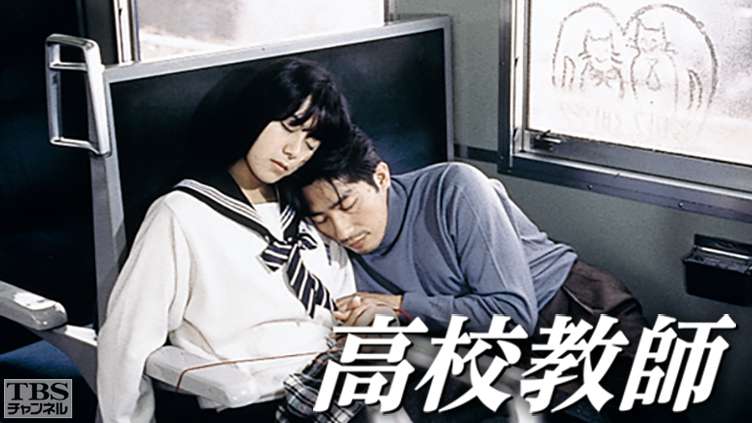
When the fragile, melancholic opening chords of Doji Morita’s 1976 ballad "Bokutachi no Shippai" echoed across television sets in the winter of 1993, Japanese prime-time drama entered uncharted territory. TBS’s Koukou Kyoushi (High School Teacher) tackled systemic taboos with raw urgency, captivating the public and generating a historic 33.0% viewership rating for its final episode. At the heart of that cultural storm was nineteen-year-old actress Sachiko Sakurai, whose portrayal of the vulnerable high schooler Mayu Ninomiya turned her into an overnight household name. Decades later, a massive Japanese drama streaming release has revived intense interest in the classic, prompting millions of modern viewers to ask a singular question: why did the woman at the center of Japan’s most discussed forbidden romance drama abandon the spotlight entirely?
As documented in a recent MSN Report examining the sudden digital revival, the contrast between Sakurai’s complete silence and the ongoing public careers of her peers has never been starker. Sakurai did not simply fade from casting lists through shrinking opportunities. Instead, she executed one of the cleanest, most deliberate departures in modern Japanese entertainment history, walking away from public life at age 36 and never looking back.
📌 Key Takeaways:
- The Spark: Digital streaming availability has reignited nationwide interest in the 1993 TBS masterpiece Koukou Kyoushi and its enigmatic female lead.
- The Exit: In December 2009, Sachiko Sakurai announced her immediate and permanent retirement, citing a profound desire to live a private life outside entertainment.
- Current Status: Now residing outside the entertainment industry, Sakurai remains entirely disconnected from social media and publicity, in sharp contrast to her globally celebrated co-star Hiroyuki Sanada.
The Streaming Surge Rekindling Koukou Kyoushi
The return of Koukou Kyoushi to subscription streaming platforms instantly ignited discussions across Japanese social media and international television forums. Younger generations unaccustomed to the daring storytelling of 1990s network television have expressed genuine shock at the series. Scripted by Shinji Nojima, the drama examined grooming, domestic trauma, societal ostracization, and pure emotional dependence with visceral intensity.
Online audiences have remarked on the sheer presence Sakurai brought to the screen. She played Mayu with an unsettling combination of innocence and quiet sorrow. Her dynamic alongside Hiroyuki Sanada, who portrayed the timid, alienated biology teacher Takao Hamura, defied easy categorization. Digital chatter on platforms like X and Reddit frequently centers on the haunting nature of their chemistry, driving millions of searches regarding Sakurai’s career trajectory and whereabouts.
The 1993 Cultural Shockwave That Redefined Prime-Time Television
To understand the public fascination with Sakurai, one must understand the environment in which Koukou Kyoushi aired. Japanese television in the early 1990s was saturated with glossy, formulaic romantic comedies. Shinji Nojima shattered that template on January 8, 1993. The broadcast provoked immediate moral outrage from parent-teacher associations, yet viewership climbed steadily with every broadcast.
By the time the twelfth and final episode aired on March 26, 1993, the broadcast achieved a staggering 33.0% rating in the Kanto region. Doji Morita’s mournful theme song surged to the top of the Oricon charts seventeen years after its original recording. Sakurai, who had entered the industry through modest music and modeling ventures, was suddenly elevated to the absolute peak of network acting. Critics praised her restraint. She avoided melodrama, delivering a performance grounded in quiet authenticity.
Tracing Sachiko Sakurai’s Rapid Ascent and Calculated Departure
Following her breakthrough, Sakurai established herself as one of the defining faces of 1990s Japanese television. She collaborated repeatedly with top screenwriters, taking on psychologically complex roles in major productions like Ningen Shikkaku (1994) and Miseinen (1995). Unlike performers who relied on flashy publicity, Sakurai maintained an air of dignified distance throughout her working years.
| Period | Key Milestone | Industry Impact |
|---|---|---|
| 1988, 1992 | Show business debut; morning drama regular in NHK’s Onna wa Dokyo | Established technical versatility and quiet screen presence. |
| 1993 | Starred as Mayu Ninomiya in TBS’s Koukou Kyoushi | Propelled to national stardom; finale earned a historic 33.0% rating. |
| 1994, 2005 | Core cast member in Shinji Nojima’s Golden Age dramas; film and stage work | Cemented reputation as a serious, emotionally nuanced dramatic actress. |
| December 2009 | Official retirement statement posted on agency website | Permanent exit from public entertainment at the age of 36. |
The 2009 Retirement Statement and the Decision to Disappear
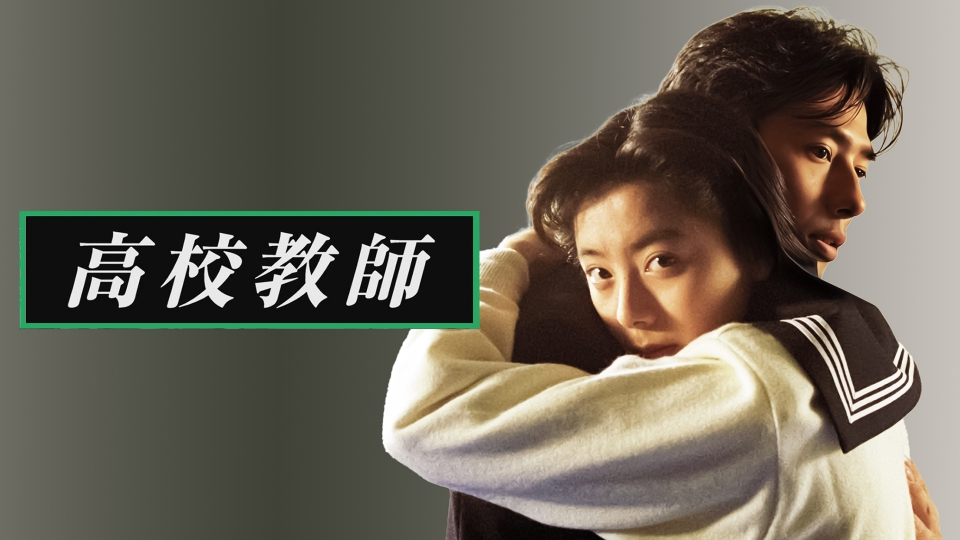
When Sakurai walked away in late December 2009, she did so on her own terms. Her agency published a candid personal statement explaining the decision. After twenty-one years under constant scrutiny, she felt a strong, persistent urge to broaden her perspective outside the scripted world of Tokyo studios.
In her final public address, she wrote that extensive personal travels across the globe had introduced her to varied cultures and ways of life. She realized she wanted to experience the rest of her years as an ordinary individual, away from the camera lens. Her departure was absolute. There were no farewell variety show specials, no tell-all memoirs, and no ambiguous promises of returning. When the clock struck midnight on December 31, 2009, Sachiko Sakurai ceased to be a public commodity.
Reports over the ensuing years noted that she married and relocated overseas, establishing a peaceful, private household. Despite the invasive nature of tabloid culture, Sakurai successfully maintained total anonymity. She never launched an Instagram account, never appeared on retrospective talk panels, and declined all reunion broadcasts.
Divergent Lives: Hiroyuki Sanada’s Global Triumph and Sakurai’s Quiet Anonymity
The contemporary contrast between the two leads of Koukou Kyoushi offers a striking study in creative paths. Her co-star, Hiroyuki Sanada, steadily climbed the ranks of international cinema, culminating in widespread critical acclaim and historic Primetime Emmy recognition for his leadership and performance in Shōgun. Sanada’s name represents Japanese excellence on global red carpets and studio lots.
Other cast members, such as the actresses who portrayed Mayu’s high school peers, have transitioned into digital-era creators, frequently sharing reflections on family life and motherhood on social media platforms for nostalgic fans. Sakurai chose the opposite extreme. Her refusal to trade on past prestige has preserved an aura of untouched dignity around her work. Viewers who discover Mayu Ninomiya today meet a performer who gave everything to the role and then stepped away, leaving the art to speak entirely for itself.
Frequently Asked Questions (FAQ)
Q1: Why did Sachiko Sakurai suddenly retire from acting?
A1: Sakurai retired in December 2009 after twenty-one years in the industry. Her official statement explained that travel and exposure to different world cultures had inspired her to live a normal, private life outside the entertainment industry.
Q2: Where is Sachiko Sakurai living today?
A2: Following her retirement, domestic reports indicated she married and settled abroad. She has deliberately stayed off public social networks and out of media appearances, fiercely protecting her private life.
Q3: What made Koukou Kyoushi so controversial in 1993?
A3: Directed and written by Shinji Nojima, the drama addressed taboos that were rarely explored on prime-time television, including student-teacher relationships, trauma, and complex emotional codependency. Its poignant tone and Doji Morita's haunting soundtrack sparked national dialogue, culminating in a 33.0% finale rating.
The Lasting Footprint of Mayu Ninomiya
Show business rarely accepts finality. Celebrity culture constantly expects retired stars to monetize their nostalgia through reunion podcasts, anniversary appearances, or commemorative streaming interviews. Sachiko Sakurai rejected that entire framework. By choosing complete privacy, she kept the integrity of her creative contributions intact.
As Koukou Kyoushi continues to find fresh audiences on streaming platforms, the haunting final sequence of the drama remains preserved in amber. Mayu Ninomiya does not age into a television panelist or a social media influencer. Thanks to Sakurai's unyielding commitment to her private life, the performance remains purely cinematic, timeless, and indelibly etched into television history.
