Who Are Mizutama Reppu-tai? Meet Comedy Duo Aki and Ken
Few partnerships in modern Japanese owarai have navigated the shifting tides of stage, television, and ensemble theater quite like Mizutama Reppu-tai. Formed by Aki and Ken in the early 1990s, the duo emerged from the feverish Kansai comedy scene to capture intense youth fandom before carving out distinct individual footprints within the Yoshimoto Kogyo empire. While general audiences today often recognize Aki as an energetic troupe leader in Yoshimoto Shinkigeki, the pair’s shared history runs far deeper than slapstick sketches and slap-and-tickle punchlines.
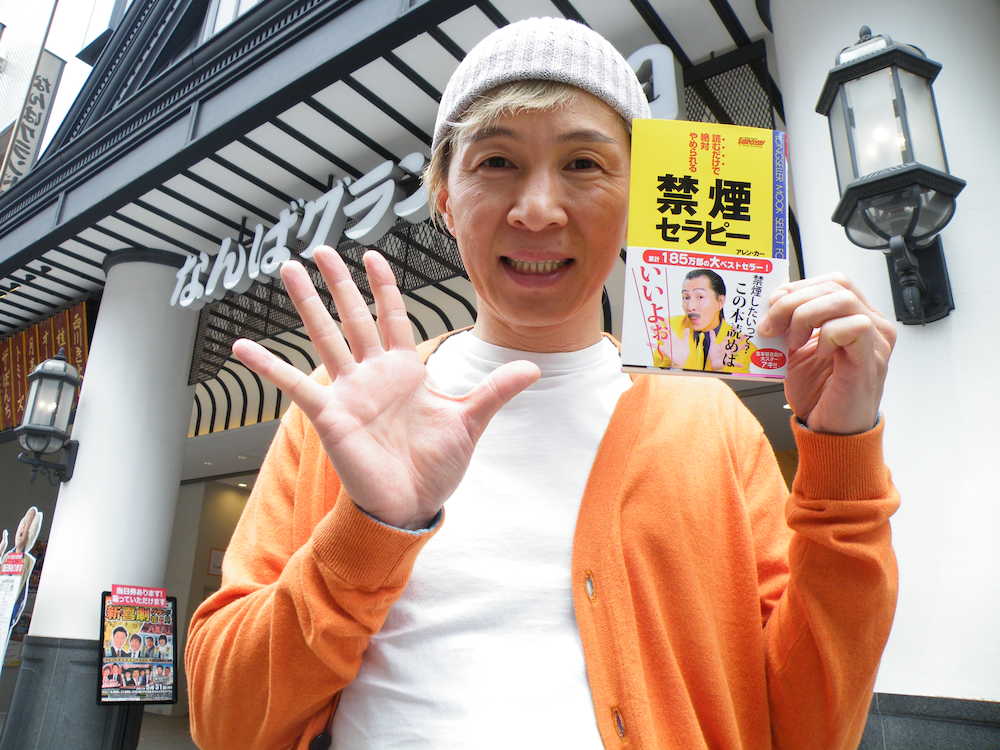
Over the decades, their trajectory has balanced offbeat individual projects with enduring duo commitments. Aki famously made headlines when selected to promote the Japanese edition of Allen Carr's worldwide bestseller "The Easy Way to Stop Smoking" despite never having smoked a cigarette in his life, as documented in an archival Sports Nippon Report. Decades later, with Ken commanding his own loyal theater following and both performers well into their fifties, Mizutama Reppu-tai continues to evolve through ambitious dramatic productions and unguarded public retrospectives.
📌 Quick Summary:
- Origins and Partnership: Aki and Ken built their bond in high school before launching as a manzai comedy duo in 1992, rapidly achieving idol-like popularity at Osaka’s Shinsaibashi-suji 2-chome Theater.
- Divergent Career Paths: Aki climbed the ranks to become an official Yoshimoto Shinkigeki troupe leader (zacho), while Ken cemented his status as a versatile theater presence and beloved industry character.
- Contemporary Resurgence: Through their serious jidaigeki stage play Toki ga Kita and reconciliations with old Kansai rivals, the duo has solidified its legacy beyond conventional sketch comedy.
High School Roots and the Shinsaibashi-suji 2-chome Era
The story of Mizutama Reppu-tai began well before television cameras captured their dynamic. Aki and Ken met during their high school years in the Kansai region, building an easy rapport grounded in martial arts, athletic physical humor, and rapid-fire verbal timing. In 1992, they formalized their partnership under Yoshimoto Kogyo, adopting the moniker Mizutama Reppu-tai ("Polka Dot Hurricane Squad").
Their breakthrough coincided with the golden era of Osaka’s Shinsaibashi-suji 2-chome Theater during the mid-1990s. The venue served as a pressure cooker for generational talent, nurturing acts that blended traditional manzai rhythms with rock-and-roll youth aesthetics. Mizutama Reppu-tai exploded in popularity among younger audiences, generating the kind of screaming fandom typically reserved for pop idols. Their high-energy skits stood apart through sharp choreography, martial arts-inspired stunts, and visual balance between Aki's expressive facial gymnastics and Ken's steady, grounding presence.
Navigating that level of early adulation was double-edged. The Kansai circuit was notorious for fierce rivalries backstage, where young comedians fought bitterly for television slots and stage minutes. Mizutama Reppu-tai survived that crucible by constantly refining their live craft, refusing to rely solely on youth appeal.
Diverging Paths Inside Yoshimoto Kogyo and Shinkigeki
As the 2-chome Theater era wound down, many 1990s comedy acts struggled to transition into mid-career stability. Mizutama Reppu-tai responded by broadening their individual artistic portfolios within the massive Yoshimoto Kogyo ecosystem while keeping the duo alive.
Aki found a transformative second act inside Yoshimoto Shinkigeki, the legendary theatrical comedy troupe that has anchored Kansai entertainment since 1959. Bringing his athletic background and impeccable timing to the stage, Aki developed signature running gags, eccentric characters, and catchphrases that endeared him to multi-generational theatergoers. His dedication culminated in his promotion to Shinkigeki troupe leader (zacho), placing him at the helm of weekly productions at the Namba Grand Kagetsu theater.
Ken charted a steady course rooted in character acting and stage work. Beloved backstage for his unpretentious personality, Ken frequently shares candid moments of theater life with fans. In July 2026, Japanese entertainment media widely covered his social media dispatches sharing lunch between performances with legendary Yoshimoto veteran Mr. Okure, reflecting Ken's deep integration into the troupe's backstage community. Even personal hurdles, such as an unexpected allergic reaction to gray hair dye that irritated his scalp in April 2026, have been met with trademark candor and self-deprecating humor.
Key Eras in the Mizutama Reppu-tai Timeline
Tracking the career arc of Mizutama Reppu-tai reveals how two performers adapted to the evolving mechanics of Japanese entertainment across four decades.
| Timeframe | Career Phase | Key Milestones & Impact |
|---|---|---|
| 1992, 1999 | Indie Circuit & 2-chome Boom | Formation after high school friendship; massive youth fandom at Shinsaibashi-suji 2-chome Theater. |
| 2000, 2013 | Tokyo Expansion & Theater Pivot | Relocation efforts to eastern Japan; extensive live theater tours and experimentation with independent plays. |
| 2014, 2022 | Shinkigeki Integration | Aki rises as a headline performer in Yoshimoto Shinkigeki; promotion to troupe leader (zacho). |
| 2023, 2026 | Artistic Synthesis & Legacy Era | Production of the period drama Toki ga Kita; resolution of long-standing backstage rivalries on digital platforms. |

Breaking Old Grudges on Messenger Kuroda’s Digital Stage
The intense competitive environment of 1990s Osaka comedy left lingering personal rifts between performers. One of the most famous unspoken rivalries existed between Mizutama Reppu-tai's Aki and Messenger Kuroda, the outspoken co-founder of the comedy duo Messenger.
For years, industry insiders whispered about an informal co-starring embargo between the two men. That barrier dissolved publicly in August 2026, when Aki, then 57, appeared as a guest on Kuroda’s YouTube channel, Kuroda-ni. The candid two-shot interview drew widespread attention across the Kansai entertainment sphere.
During the sit-down, Kuroda and Aki openly reflected on their youth at the 2-chome Theater, addressing the past antipathy that kept them apart. They acknowledged how youthful insecurity, pride, and the zero-sum pressure of the Kansai stage drove wedges between peers who were essentially fighting for the same spotlight. The dialogue revealed a deep, hard-won mutual respect, demonstrating how seasoned performers can reframe old rivalries into compelling modern storytelling.
Beyond Slapstick: The Toki ga Kita Period Drama Project
While mainstream audiences associate both Aki and Ken with physical humor, their partnership has consistently ventured into dramatic acting. In January 2026, the duo sat down for an exclusive joint interview in Osaka to discuss their ambitious stage play, Toki ga Kita ("The Time Has Come").
Unlike standard Yoshimoto Shinkigeki productions, which rely on episodic farce and rehearsed house humor, Toki ga Kita is a full-fledged jidaigeki (period drama). The production deliberately strips away comic relief to showcase Aki and Ken's dramatic range, swordplay, and narrative tension. Aki described the production as an opportunity to reveal an entirely different artistic face from his Shinkigeki persona, while Ken emphasized the unspoken chemistry that allows them to execute complex stage combat without hesitation.
The project underscored the enduring strength of their bond. Working together for more than three decades creates an intuitive stage timing that script rehearsals cannot manufacture. For both performers, returning to a shared theatrical stage outside the standard variety format was a deliberate artistic statement.
Frequently Asked Questions (FAQ)
Q1: What does the name "Mizutama Reppu-tai" mean, and when was the group established?
A1: Formed in 1992, the name translates roughly to "Polka Dot Hurricane Squad." Composed of high school friends Aki and Ken, the duo started as a manzai comedy unit under Yoshimoto Kogyo before branching into theater, television, and ensemble stage work.
Q2: Is Mizutama Reppu-tai officially disbanded since Aki joined Yoshimoto Shinkigeki?
A2: No, the duo never disbanded. While Aki serves as a prominent troupe leader (zacho) in Yoshimoto Shinkigeki and Ken pursues independent acting and stage roles, they continue to perform together regularly for duo-specific plays, anniversaries, and independent theater productions like Toki ga Kita.
Q3: What distinguishes Aki and Ken's comedic style from traditional manzai duos?
A3: From their early days at the Shinsaibashi-suji 2-chome Theater, Mizutama Reppu-tai integrated martial arts choreography, athletic slapstick, and theatrical staging into their comedy. Rather than relying solely on stand-up banter behind a central microphone, their work emphasizes physicality and ensemble storytelling.
The Enduring Footprint of Kansai's Unconventional Veterans
Longevity in Japanese comedy requires constant adaptation. Many acts that rose to prominence during the theater booms of the 1990s faded as television trends evolved and younger generations captured online audiences. Mizutama Reppu-tai avoided that fate by refusing to remain locked in a single performance box.
By splitting their focus between Aki's leadership within the cultural institution of Yoshimoto Shinkigeki and collaborative projects that challenge their dramatic limits, Aki and Ken built a sustainable model for veteran performers. Whether trading memories with former rivals on YouTube, sharing quiet lunches with mentors like Mr. Okure, or rehearsing intense sword choreography for period dramas, they remain central figures in the ongoing story of Kansai entertainment.
