Who Is the Father of Miki Ando's Daughter? Fact-Checking Rumors vs Reality
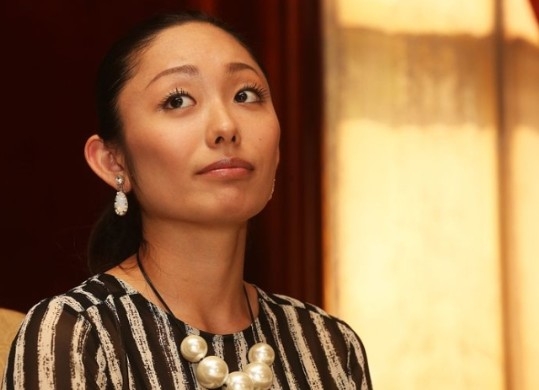
In July 2013, two-time World Figure Skating Champion Miki Ando blindsided the international sporting world during a broadcast on TV Asahi’s Houdou Station. Facing the camera, she announced that she had secretly given birth to a daughter, Himawari, three months prior, and intended to mount a comeback for the 2014 Sochi Winter Olympics as an unwed mother. She pointedly refused to reveal the infant’s father, sparking an immediate media frenzy across East Asia.
Thirteen years later, Ando’s choice remains one of the most talked-about chapters in modern figure skating. As detailed in a retrospective by the 헤럴드경제 Report, the 38-year-old former rival of Kim Yu-na and Mao Asada has weathered more than a decade of relentless tabloid interrogation, choosing maternal autonomy in a nation where out-of-wedlock childbearing accounts for barely 2% of all births.
📌 Key Takeaways:
- The Core Reality: Miki Ando has never officially disclosed the biological father of her daughter Himawari, citing legal agreements and child protection.
- The Prime Suspects: Both Russian coach Nikolai Morozov and Japanese skater Yasuharu Nanri publicly refuted paternity claims during peak media speculation.
- Societal Friction: Japanese corporate sponsors pulled endorsements in 2013, highlighting severe cultural stigmas against single motherhood among elite athletes.
- Current Standing: Ando and 13-year-old Himawari now appear together occasionally on television, reframing the narrative from scandal to resilient family life.
The 2013 Television Bombshell That Shook Japanese Sports
During the height of her competitive career, Miki Ando stood shoulder-to-shoulder with figure skating royalty. She defeated Mao Asada and Kim Yu-na to claim the 2007 and 2011 World Championships, having entered history books at age 14 as the first woman to land a quadruple Salchow in sanctioned international competition. By late 2012, however, she vanished from competitive rosters, fueling quiet murmurs across the figure skating circuit.
Her sudden announcement on July 1, 2013 dismantled conventional public relations playbooks. "I became a mother in April. I wanted to deliver this life rather than say goodbye to it," Ando stated on air. She spoke candidly about giving birth to a 3,350-gram baby girl while continuing on-ice training until a month before delivery. The Japanese press immediately bypassed her athletic ambition, fixating entirely on the missing groom.
Sponsorship contracts evaporated overnight. Major corporate brands withdrew backing for her Sochi bid, unwilling to align with an unwed mother in a sports federation governed by rigid social conservatism. Ando funded her final competitive season largely out of pocket, missing the Olympic cut at the Japanese Nationals later that winter before announcing her retirement from competitive skating.
Deconstructing the Prime Suspects: Morozov, Nanri, and Tabloid Fiction
In the absence of a confirmed name, Japanese weekly tabloids including Shukan Bunshun and Friday published speculative dossiers. The reporting focused on two prominent figures in Ando’s professional orbit, alongside a third theory involving an older corporate benefactor.
Russian coach Nikolai Morozov, who guided Ando to her 2011 World title, surfaced as the most frequent target. The pair shared a well-publicized romantic relationship during their coaching partnership, which ended in 2011. Morozov responded swiftly and bluntly to Japanese reporters outside his training base: "I am not the father. We broke up long before that. I was surprised to hear the news myself." While Morozov praised Ando’s courage as an athlete, his flat denial forced reporters to look elsewhere.
Scrutiny shifted to Yasuharu Nanri, a former junior national champion who had trained alongside Ando since childhood. In May 2013, paparazzi photographed Nanri and Ando frequenting the same residential building in Yokohama. Tabloids ran headlines claiming the childhood friends planned to marry. Nanri’s family issued swift counter-statements, and Nanri himself confirmed to domestic outlets that he was not Himawari’s biological father, later stepping away entirely from public life.
A third persistent theory, published by several mainstream weeklies, claimed the father was a married television executive or event sponsor who supported Ando’s exhibition tours. According to these reports, financial compensation and strict non-disclosure agreements were arranged to prevent reputational ruin for an influential corporate figure. Ando has neither verified nor dignified these rumors, maintaining an ironclad legal boundary around her family.
Tracking the 13-Year Paternity Mystery and Media Milestones
The timeline below traces the critical moments, public statements, and shifting public attitudes from Himawari’s birth in 2013 through her teenage years.
| Timeframe | Key Event / Milestone | Media & Public Impact |
|---|---|---|
| April 2013 | Birth of Himawari Ando | Kept entirely secret; Ando maintains clandestine physical training. |
| July 2013 | Live broadcast pregnancy and birth reveal | Widespread shock; corporate sponsors cancel deals; intense paternity speculation begins. |
| 2013, 2014 | Morozov and Nanri issue public denials | Tabloids pivot toward rumors of married corporate executives and legal NDAs. |
| 2014, 2017 | Public relationship with Javier Fernández | Temporary quiet on paternity; Fernández embraces Himawari in social media posts before amicable split. |
| August 2020 | Himawari’s face revealed on national television | Broadcast on NTV’s Shabekuri 007; viewers note strong physical resemblances, reopening online speculation. |
| 2024, 2026 | Thirteen-year milestone reflections | Public perception softens into admiration for Ando’s solo parenting resilience and transparency. |

Why Japan’s Societal Codes Turned a Private Birth into a Public Crisis
To grasp why Ando’s decision generated years of headlines, one must look at demographic norms in Japan. According to Ministry of Health, Labour and Welfare statistics, children born outside marriage make up roughly 2.3% of annual births, compared to over 40% across the United States and parts of Western Europe. The traditional family registry (koseki) remains a foundational instrument of Japanese civic identity, meaning unwed motherhood frequently carries unspoken administrative and social complications.
Female athletes in Japan have historically operated under intense expectations to project modesty, discipline, and spotless compliance. Ando broke that mold repeatedly. Throughout her competitive career, she embraced bold costumes, emotive choreography, and open displays of frustration or joy. Her refusal to step into the traditional role of a retiring champion seeking conventional matrimony unsettled an athletic establishment that preferred predictable role models.
Online forums erupted with harsh judgments in 2013. Critics argued she was irresponsible to bring a child into the world without a legal father, while conservative commentators questioned her focus on sports. Yet, as the years passed, a counter-narrative emerged on social media. Working mothers and younger demographics began praising her willingness to stand alone, shielding her daughter from the legal entanglements of adults while taking full financial responsibility.
Himawari Steps into the Light: Privacy, Public Appearances, and Protection
For the first seven years of Himawari’s life, Ando protected her daughter's physical privacy with extreme care. In every photograph shared on Instagram or personal blogs, Himawari’s face was obscured with digital stickers, sunglasses, or angled shots from behind. Ando stated repeatedly that she would not expose her daughter to the lens until the child was old enough to make that choice herself.
That threshold arrived in August 2020. During a special broadcast of Nippon TV’s popular variety program Shabekuri 007, seven-year-old Himawari made her unmasked television debut alongside her mother. Ando explained that Himawari wanted to share in her mother’s public activities, and hiding her face had begun making the child feel as if she were something to be ashamed of.
The broadcast scored massive ratings. Rather than reigniting hostile gossip, the appearance showed a cheerful, bilingual child expressing pride in her mother’s accomplishments. Ando openly discusses their routine at home: strict limits on mobile screens, serious academic expectations, and encouragement in figure skating, dance, and creative arts without forcing the daughter into the high-pressure competitive grinder Ando endured.
Frequently Asked Questions (FAQ)
Q1: Has Miki Ando ever officially confirmed the identity of Himawari's father?
No. Miki Ando has never publicly identified the biological father. She has stated that keeping the name private is an agreement designed to protect her daughter's peace and legal privacy.
Q2: Did Russian coach Nikolai Morozov father Miki Ando's daughter?
No. Nikolai Morozov formally and repeatedly denied being the father when questioned by Japanese and international press shortly after the birth in 2013, confirming that their personal relationship ended prior to that period.
Q3: What happened between Miki Ando and figure skater Javier Fernández?
Ando dated Spanish world champion Javier Fernández between 2014 and 2017. While Fernández grew very close to young Himawari and frequently appeared in family photos, the two athletes ended their relationship amicably, and he is not the biological father.
Q4: Why was Miki Ando's pregnancy considered such a scandal in Japan?
Out-of-wedlock births represent less than 2.5% of total births in Japan, where traditional family registries and conservative societal norms place heavy emphasis on marriage before childbirth. An elite athlete announcing an unwed pregnancy was virtually unprecedented in Japanese mainstream sports.
The Defiant Legacy of a Skating Icon on Her Own Terms
Thirteen years after she upended the conventions of Japanese figure skating, Miki Ando’s narrative has evolved past the tabloid question of who fathered her child. While internet speculation resurfaces intermittently whenever family milestones occur, her sustained career as a professional show skater, choreographer, and television personality proved that her talent was not tied to social conformity.
Raising Himawari without a spouse or corporate shield cost Ando major commercial opportunities in 2013. Yet, it earned her lasting respect among women challenging rigid cultural expectations across East Asia. By choosing transparency about single parenthood while drawing an impenetrable boundary around her daughter’s legal privacy, Ando preserved the one thing the cameras could never claim: a family built entirely on her own terms.
