Who Voiced Boh? The True Story of Ryunosuke Kamiki's Iconic Spirited Away Role
When Hayao Miyazaki introduced the world to the bathhouse of Spirited Away in 2001, audiences recoiled and laughed at Boh, the towering, tyrannical infant who lived buried under mountains of red pillows. Hidden behind that petulant roar was a seven-year-old child actor named Ryunosuke Kamiki. Studio Ghibli did not hire an adult voice actress to mimic an overgrown baby. Miyazaki wanted genuine, unpolished childhood vulnerability, and Kamiki delivered a performance that anchored one of the most eccentric character arcs in modern animation history.
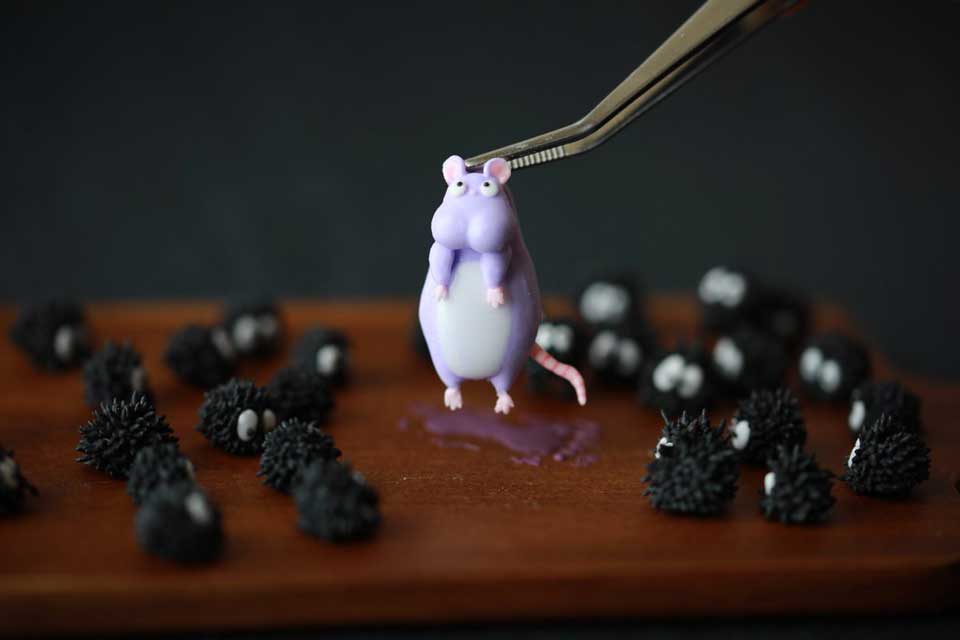
Decades after the film shattered domestic box office records, Boh remains a fixture of Japanese pop culture, inspiring viral sugar-art recreations of his rodent form and elaborate puppetry in John Caird's theatrical production. As the stage production extends its international footprint into major Asian hubs like Shanghai, detailed in an ORICON NEWS Report tracking the evolving cast, Kamiki's original audio performance stands as the blueprint for an impossible archetype: a monster child learning to walk on his own two feet.
📌 Key Takeaways:
- The Voice Behind the Giant: Ryunosuke Kamiki recorded the role of Boh when he was just seven years old, launching an extraordinary career that made him Japan's premier voice acting talisman.
- Miyazaki's Realism Mandate: Hayao Miyazaki intentionally rejected seasoned adult voice actors for Boh, demanding the raw cadence and temperamental unpredictability of a real child.
- The Metaphorical Arc: Boh's transformation from an oversized, germaphobic infant into a mute mouse critiques postwar Japanese helicopter parenting and coddled isolationism.
How a Seven-Year-Old Captured Hayao Miyazaki's Imagination
Studio Ghibli's casting process has always operated on different principles than the mainstream anime industry. Miyazaki routinely avoids veteran voice performers who rely on polished, performative voice modulation. He prefers stage actors, child performers, and unconventional voices that carry authentic human imperfection. When casting began for the character of Boh, the enormous, swaddled son of bathhouse proprietor Yubaba, Miyazaki sought someone whose line deliveries carried unfiltered emotional weight rather than practiced comedic timing.
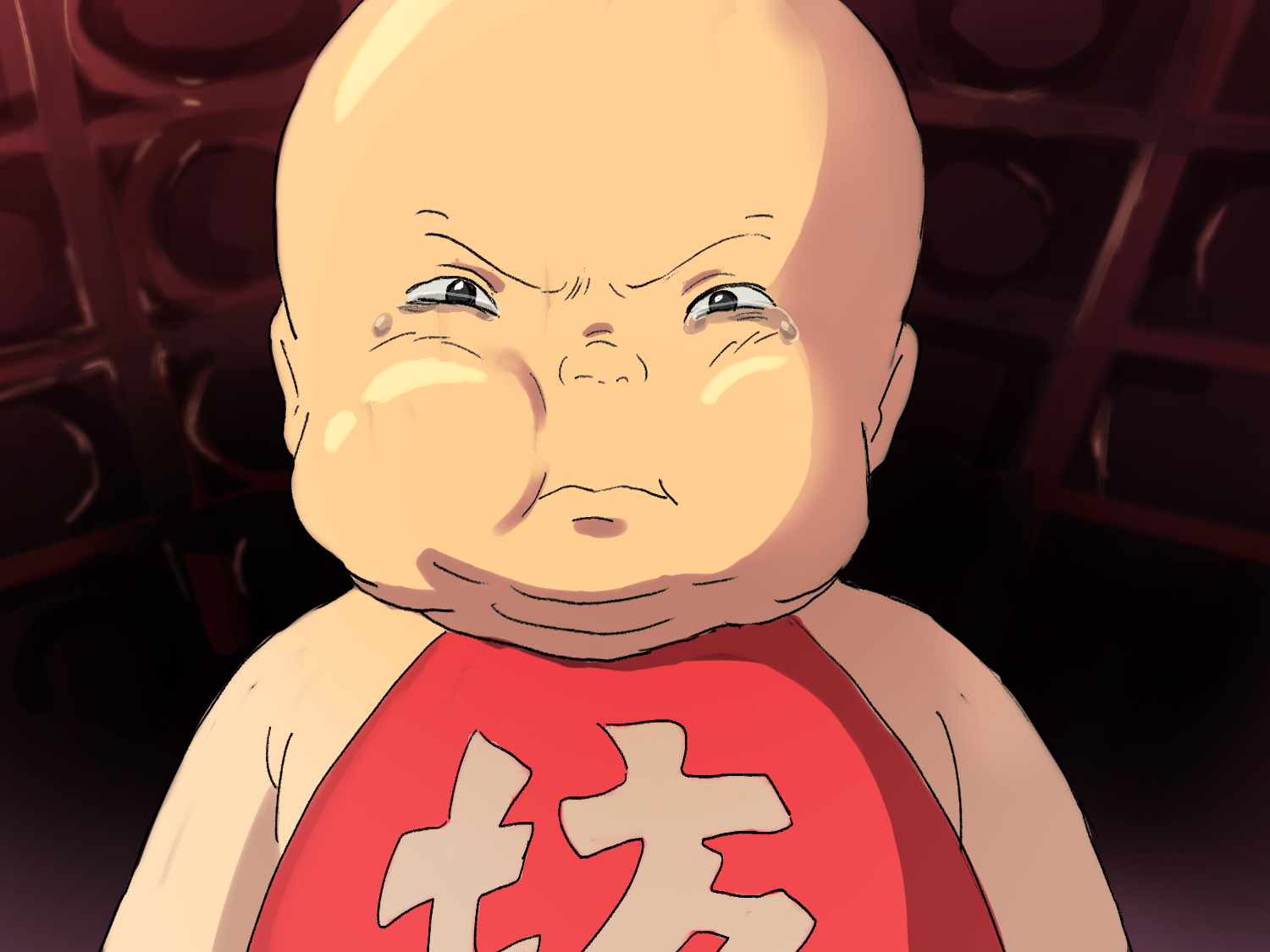
Kamiki entered the studio with minimal professional baggage. His natural delivery captured the spoiled, volatile disposition of an overprotected youth who uses temper tantrums as weapons. When Boh shrieks at Chihiro, threatening to break her arm if she refuses to play with him, the menace works because the vocalization sounds shockingly juvenile. Kamiki did not calculate his inflections. He delivered them with the directness of a young boy responding to Miyazaki's precise, playful direction in the recording booth.
Inside the Nursery: Decoding the Monstrous Infant
Boh's introduction inside the bathhouse penthouse remains one of Ghibli's sharpest visual metaphors. Hidden behind sliding doors and silk partitions, his nursery is a gilded cage insulated against the grit and labor of the bathhouse below. Yubaba claims the outside air is teeming with lethal germs, brainwashing her son into absolute domestic confinement so she can retain emotional control over him.
The visual scale is intentionally grotesque. Boh dwarfs Chihiro, yet he wears a traditional red bib stamped with the kanji for "child" (*bō*), identical to the garments worn by traditional folk heroes like Kintarō. But unlike the legendary mountain child celebrated for superhuman physical strength and outdoor vigor, Boh is an immobile prisoner of luxury. Miyazaki used this contrast to target late-1990s Japanese social trends, specifically the rise of *mamagon* (monster mothers) and extreme overprotection that left children psychologically stunted and terrified of independent movement.
The Rodent Metaphor and the Evolution of Kamiki's Vocal Work
The turning point for the character arrives when Yubaba's twin sister, Zeniba, infiltrates the nursery. With a single gesture, Zeniba bypasses Yubaba's protective illusions and transforms Boh into a plump, voiceless mouse (*Bō-nezumi*). Stripped of his intimidating physical bulk and vocal dominance, Boh must adapt to surviving at ground level.
This structural shift required Kamiki's voice work to pause, shifting the character's narrative weight entirely to pantomime and physical comedy. Boh the mouse quickly bonds with Chihiro, riding on her shoulder and assisting Kamashii's soot sprites. When Kamiki finally speaks again during the film's climax, Boh is no longer the screaming tyrant from the nursery. He stands upright on his own two legs before Yubaba, calmly warning his mother that her cruelty will cost her dearly if she harms Chihiro. The vocal performance shifts from nasal wailing to measured, clear cadence.
| Film / Project | Release Year | Role Voiced by Kamiki | Character Significance |
|---|---|---|---|
| Spirited Away | 2001 | Boh (Yubaba's son) | First major voice credit; foundational Ghibli milestone. |
| Howl's Moving Castle | 2004 | Markl | Apprentice dynamic; showed his growing range as an adolescent. |
| The Secret World of Arrietty | 2010 | Sho | Solemn, mature lead role exploring mortality and isolation. |
| Your Name (Kimi no Na wa.) | 2016 | Taki Tachibana | Global box office juggernaut directed by Makoto Shinkai. |
| Suzume | 2022 | Tomoya Serizawa | Charismatic supporting presence demonstrating seasoned comedic timing. |
English Localization vs. Japanese Original Nuance
When Pixar and Walt Disney Pictures handled the English localization of Spirited Away under the supervision of John Lasseter, casting Boh presented a unique challenge. In the English dub, prolific voice actress Tara Strong took on the role. Strong brought decades of professional voice mastery, having voiced iconic infant characters like Dil Pickles in Rugrats.
The two interpretations produce starkly different listening experiences. Strong leans into an exaggerated, cartoonish rasp that highlights the absurdity of an eight-foot toddler. Her performance treats Boh as an overt monster-brat. Kamiki's Japanese take feels quieter, heavier, and more emotionally authentic. When Kamiki whimpers that going outside makes him sick, his voice carries genuine dread planted by an overbearing mother. The Japanese track grounds the supernatural fable in psychological reality, while the Western dub leans into Saturday-morning energy.
From the Soundstage to the Global Theatrical Arena
The longevity of Boh's design has transcended the 2001 film reel. In the stage adaptation directed by John Caird, bringing Boh to life demanded a fusion of bunraku-style puppetry and live performance. An oversized, hyper-articulated puppet represents his human baby form, requiring multiple puppeteers to simulate his lumbering, uncoordinated limbs. When the Zeniba curse strikes, the puppeteers instantly swap the massive infant for a micro-puppet that mirrors Chihiro's real-time physical blocking.
The technical precision of these staging choices continues to win over global audiences. Following celebrated residencies at Tokyo's Imperial Theatre and London's Coliseum, the production has moved deeper into continental Asia, confirming major engagements in Shanghai with alternating stars like Kanna Hashimoto and Momoko Fukuchi. Boh remains an undeniable audience favorite across every culture, proving that the character's comedy and moral growth require zero translation.
Frequently Asked Questions (FAQ)
Q1: How old was Ryunosuke Kamiki when he voiced Boh?
Kamiki was seven years old during production and turned eight around the film's theatrical release in July 2001. His youth was instrumental in producing the natural, uninhibited vocalizations director Hayao Miyazaki wanted.
Q2: Why does Boh transform into a mouse instead of another creature?
Zeniba casts the spell to shrink his overwhelming ego and expose him to the harsh realities of physical vulnerability. As a tiny mouse, Boh can no longer intimidate others with physical tantrums, forcing him to observe the world humbly and participate in mutual cooperation.
Q3: Did Ryunosuke Kamiki voice other Studio Ghibli characters after Boh?
Yes. Miyazaki admired Kamiki's instincts and brought him back to voice Markl in Howl's Moving Castle (2004) and Sho in Hiromasa Yonebayashi's The Secret World of Arrietty (2010), cementing his status as Ghibli's most iconic young voice.
The Enduring Resonance of Boh
Boh works as a character because his transformation never feels unearned. He begins as a monstrous byproduct of toxic overprotection and ends as an empathetic, independent ally capable of defying his own mother. That journey relies almost entirely on the emotional foundation laid down in 2001 by a seven-year-old in Ghibli's recording studio. Ryunosuke Kamiki went on to headline live-action historical epics, award-winning dramas, and Makoto Shinkai blockbusters, but Boh remains his most surprising legacy: a grotesque bundle of fears transformed into a symbol of quiet resilience.
