Who Voices Baron in The Cat Returns? The Surprising Actor Behind Ghibli's Suave Feline Hero
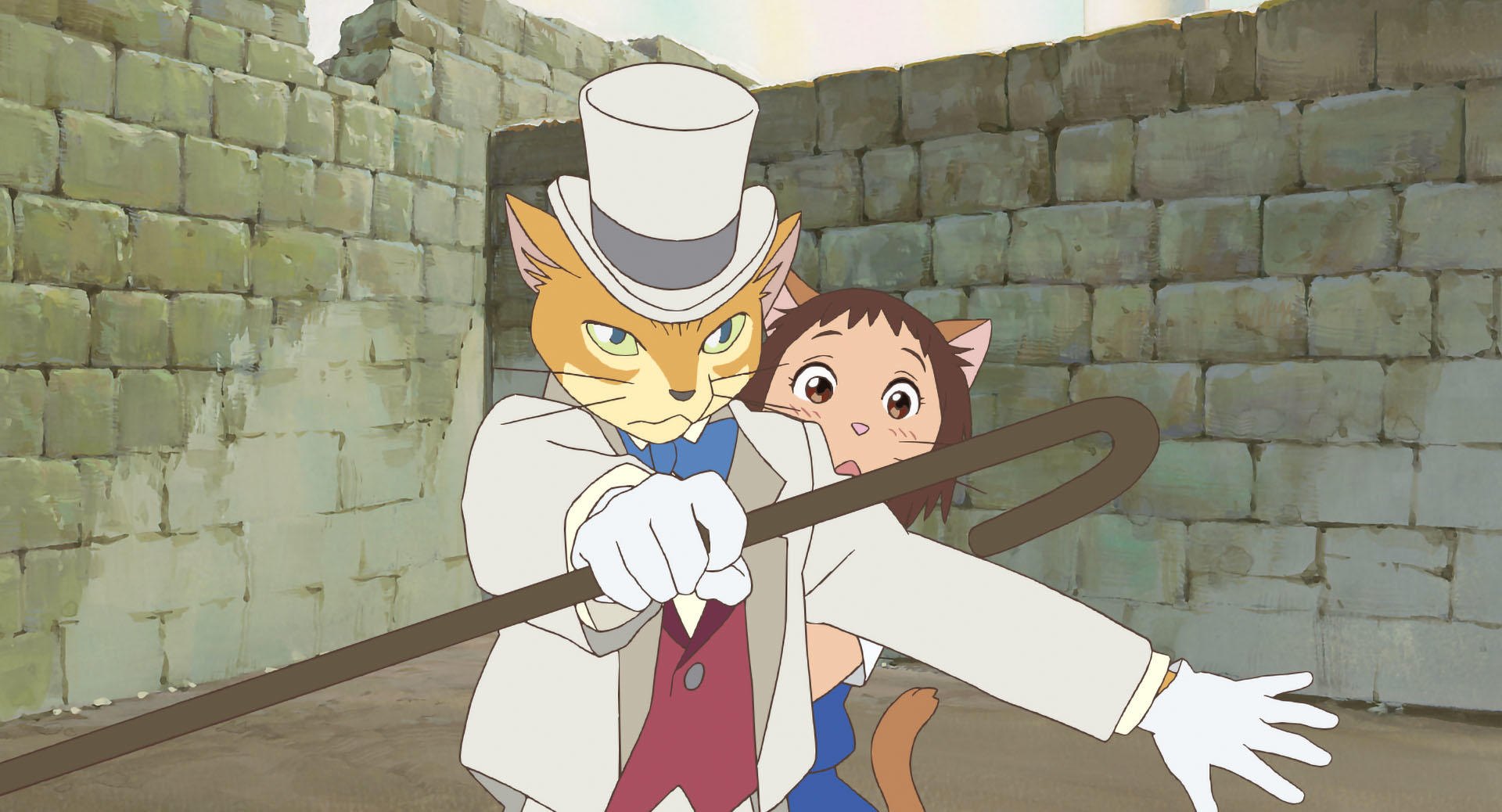
Few characters across Studio Ghibli's catalog command the screen quite like Baron Humbert von Gikkingen. Dressed in an impeccable cream suit, balancing a top hat with effortless balance, and wielding a cane with fencing precision, the miniature feline gentleman captured the imaginations of audiences worldwide upon the 2002 release of The Cat Returns. Directed by Hiroyuki Morita, the film transformed a charming background figurine into a charismatic swashbuckler who runs the Cat Bureau and saves high school student Haru Yoshioka from a forced royal marriage.
More than two decades after the film's premiere, international viewers and Japanese animation enthusiasts frequently ask who provided the velvet-smooth, self-assured voice behind the titular gentleman cat. The answer sits at an intriguing intersection of Japanese television drama history, Studio Ghibli's contrarian casting philosophy, and a high-profile Western localization that mirrored the original's debonair charm.
📌 Key Takeaways:
- The Japanese Lead: Live-action television and film actor Yoshihiko Hakamada voiced Baron Humbert von Gikkingen in The Cat Returns (2002), bringing a grounded, youthful aristocracy to the role.
- A Generational Recast: Hakamada replaced veteran actor Shigeru Tsuyuguchi, who originally voiced the Baron figurine seven years earlier in 1995's Whisper of the Heart.
- The Western Counterpart: In Disney's English dub, Hollywood actor Cary Elwes voiced the character, mirroring Hakamada's dry wit and dashing vocal register.
The Aristocratic Presence: How Yoshihiko Hakamada Shaped the Baron
When Studio Ghibli prepared to cast the Japanese voice of Baron Humbert von Gikkingen for The Cat Returns, production leadership skipped conventional voice-acting agencies. Instead, director Hiroyuki Morita and producer Toshio Suzuki selected actor Yoshihiko Hakamada, then 28 years old and widely recognized for his work in Japanese television dramas and independent cinema.
Hakamada broke into entertainment after winning the Junon Super Boy Contest in 1991, quickly establishing himself through dramatic roles including Ryosuke Hashiguchi's acclaimed 1993 film A Touch of Fever. When he stepped into the recording booth for Ghibli, his natural vocal timber offered something uncommon for animated male leads: a measured, slightly dry resonance stripped of theatrical vocal exaggeration.
His performance gave the Baron a mature, unshakable composure. When Haru Yoshioka wakes up confused inside the Cat Bureau, Hakamada delivers the Baron's hospitality with an unhurried, gentle authority. He serves special black tea blended differently each time, offers cryptic advice on self-reliance, and moves into combat against the Cat King's guards without his voice ever rising into panicked shouts. Japanese audiences responded enthusiastically to this low-key confidence, establishing Hakamada's vocal work as a benchmark for romantic masculine archetypes in early-2000s Japanese cinema.
From Antique Statue to Action Hero: The Shift from Whisper of the Heart
Baron Humbert von Gikkingen did not originate in The Cat Returns. The character made his animated debut in Yoshifumi Kondo's 1995 masterpiece Whisper of the Heart, written and storyboarded by Hayao Miyazaki based on Aoi Hiiragi's manga. In that earlier film, the Baron exists primarily as a static, German-crafted porcelain statue in Shiro Nishi's antique shop, coming to life only inside the fantasy sequences written by the young protagonist, Shizuku Tsukishima.
For the 1995 original, Ghibli cast Shigeru Tsuyuguchi, a legendary Japanese stage and screen actor born in 1932, famous for playing tough-talking detective "Yama-san" across 13 years of the classic procedural Taiyo ni Hoero!. Tsuyuguchi was in his early sixties during recording. His voice carried the weight of decades, heavy with melancholy and the quiet heartbreak of the Baron's lost feline companion, Louise.
When Hiroyuki Morita took the helm for The Cat Returns in 2002, the production required an entirely different vocal personality. The sequel was not a contemplative coming-of-age drama about adolescent creative frustration; it was a brisk, 75-minute fairy-tale caper. The Baron was no longer an ancient shop curio holding sorrow for an abandoned past. He was now an agile investigator jumping across rooftops, trading sword blows, and catching Haru in mid-air. Casting Hakamada injected the necessary physical stamina and youthful bravado into the role, effectively modernizing the character while preserving his courtly manners.
The Vocal Evolution of Baron Humbert von Gikkingen
Tracking the vocal trajectory of the Baron across releases highlights how distinct performance styles shaped the character for different markets and storytelling formats:
| Film & Year | Actor | Language | Vocal Characterization |
|---|---|---|---|
| Whisper of the Heart (1995) | Shigeru Tsuyuguchi | Japanese | Weathered, gravelly, melancholic, reflective |
| Whisper of the Heart (2006 Dub) | Cary Elwes | English | Poetic, formal, stately mid-Atlantic delivery |
| The Cat Returns (2002) | Yoshihiko Hakamada | Japanese | Youthful, suave, composed, action-oriented |
| The Cat Returns (2005 Dub) | Cary Elwes | English | Chivalric, sharp-witted, classic British cadences |
Cary Elwes and the English Dub of the Cat Bureau
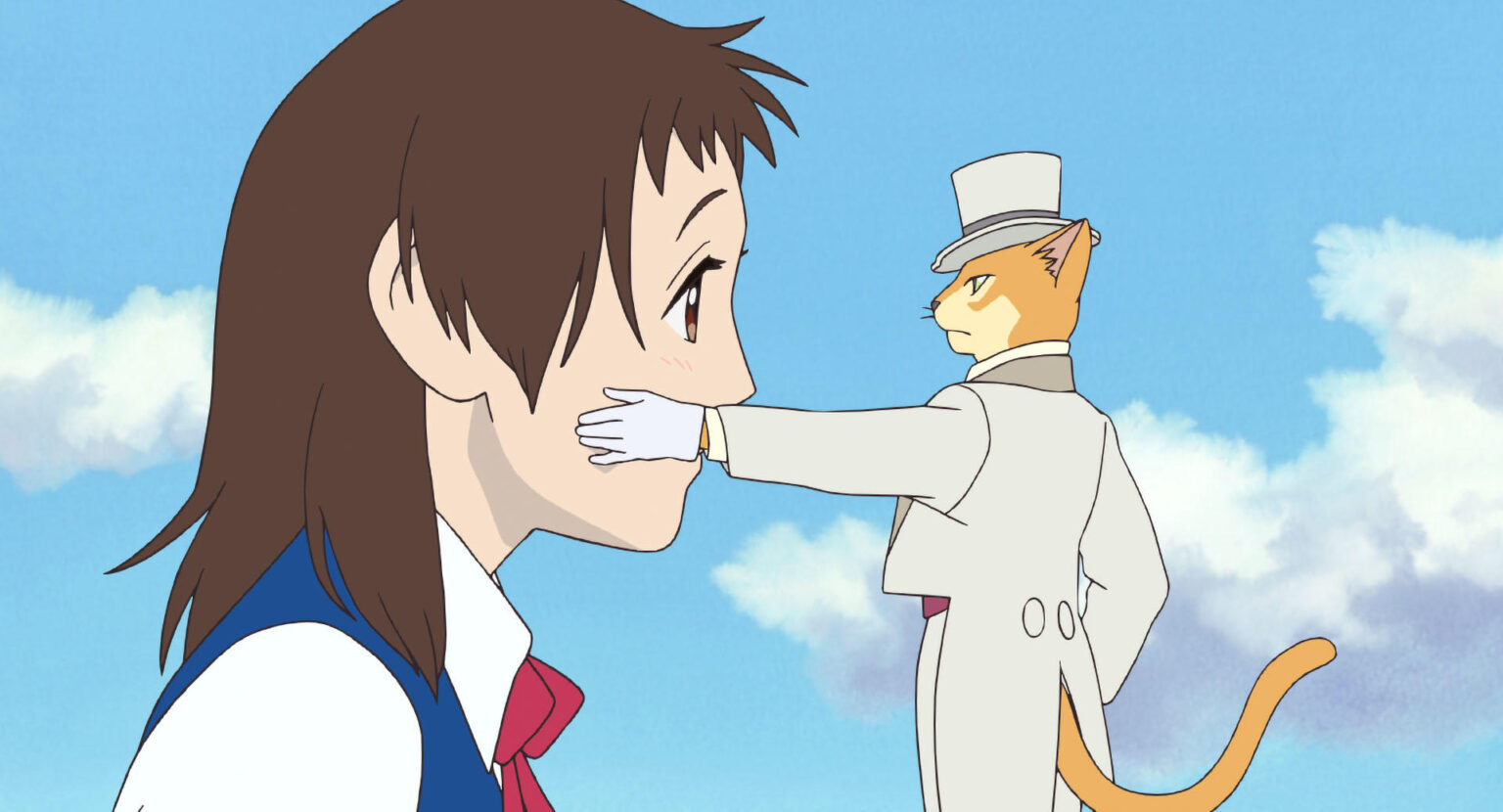
For audiences outside Japan, the Baron sounds inseparable from British actor Cary Elwes. When Buena Vista Home Entertainment produced the English localization in 2005, casting director Ned Lott sought an actor capable of delivering classic fairy-tale chivalry with self-aware dry humor. Elwes, famous for playing Westley in The Princess Bride and Robin of Loxley in Robin Hood: Men in Tights, was an inspired choice.
Elwes brought a crisp, mid-Atlantic theatricality to the Cat Bureau. Opposite Anne Hathaway's anxious, relatable performance as Haru Yoshioka, Elwes pitched the Baron as the ultimate protector: never condescending, always poised, and thoroughly amused by the chaos around him. The chemistry between Elwes and Hathaway, backed by Peter Boyle as the irritable gargoyle-gargantuan cat Muta, gave the Western release a distinct comic spark that honored Hakamada's original line readings while leaning into traditional English-language adventure cinema.
Disney found Elwes so effective in the role that they subsequently hired him to voice the Baron in the delayed English localization of Whisper of the Heart, released on home video in 2006. This decision unified the Western continuity behind Elwes, even though Japanese releases preserved the distinct tonal differences between Tsuyuguchi and Hakamada.
Why Ghibli Avoided Professional Voice Actors for Its Leading Men
Studio Ghibli's decision to cast Yoshihiko Hakamada reflects an intentional, studio-wide production doctrine championed by co-founders Hayao Miyazaki and Isao Takahata. For decades, Ghibli deliberately avoided standard anime voice actors (known in Japan as seiyuu), believing that commercial voice acting had become codified around exaggerated tropes, hyper-inflected intonations, and predictable emotional cues.
Miyazaki repeatedly explained his casting philosophy in studio memoirs and production journals, noting that professional voice actors frequently projected what they believed an animated character ought to sound like, rather than sounding like authentic human beings speaking inside a room. To bypass those technical habits, Ghibli regularly pulled talent from live-action cinema, television drama, and variety entertainment.
Casting Hakamada alongside actress Chizuru Ikewaki (who voiced Haru) followed this strict logic. Ikewaki brought a naturally unpolished, realistic teenage cadence to Haru's self-doubt, while Hakamada gave the Baron the understated charisma of an experienced stage lead. The absence of exaggerated anime line deliveries grounded the magical elements of the Cat Kingdom, making the Baron's poise feel like an intrinsic character trait rather than a vocal performance.
The Enduring Resonance of Ghibli's Sharpest Gentleman
More than two decades after the theatrical run of The Cat Returns, Baron Humbert von Gikkingen remains one of Studio Ghibli's most consistently celebrated male protagonists. Whenever Nippon TV broadcasts the film during its seasonal Friday Roadshow blocks, social media tracking metrics consistently show spikes around the Baron's signature moments: sliding down the tower stairs, offering Haru words of encouragement, and making his quiet final departure through the suburban sky.
The durability of the character comes directly from how Hakamada delivered the Baron's core moral lesson. The film's pivotal line, reminding Haru that she must always live as herself, because losing herself will trap her permanently in the Cat Kingdom, carries zero moralistic scolding. Hakamada's low, affectionate delivery feels like genuine mentorship wrapped in gentlemanly affection.
By treating the feline aristocrat as a serious dramatic figure rather than a cartoon mascot, Yoshihiko Hakamada helped create a performance that outlasted the trends of early-2000s animation. Whether experienced through Hakamada's cool restraint or Elwes's swashbuckling wit, the voice of the Baron remains the beating heart of one of Ghibli's most delightful adventures.
Frequently Asked Questions (FAQ)
Q1: Did Yoshihiko Hakamada voice the Baron in both Ghibli films?
A1: No. Hakamada voiced the Baron exclusively in The Cat Returns (2002). In the 1995 film Whisper of the Heart, the character was voiced by veteran Japanese actor Shigeru Tsuyuguchi.
Q2: Why does the Baron sound different between Japanese and English releases?
A2: While the Japanese versions used two different actors across films to reflect the shift from an antique statue to an action-adventure hero, Disney cast Cary Elwes for both English localizations, providing vocal continuity for Western audiences.
Q3: What other major projects is Yoshihiko Hakamada known for?
A3: Outside his work with Studio Ghibli, Hakamada is an accomplished screen actor known for his roles in Japanese television dramas such as Anata no Ban Desu (It's Your Turn) and films including A Touch of Fever (1993) and Brave Father Online: Our Story of Final Fantasy XIV (2019).
The Legacy of Ghibli's Sharpest Feline
The staying power of The Cat Returns rests squarely on the shoulders of its debonair lead. Hiroyuki Morita's film succeeded by letting a dashing, miniature gentleman cat command the narrative without slipping into caricature. Yoshihiko Hakamada's confident, understated performance provided the essential emotional anchor, ensuring that Baron Humbert von Gikkingen remains an unforgettable icon of animated cinema.
