Why Everyone Gets Pro Club Hoodie Sizing Wrong: The Real Size Trap Revealed
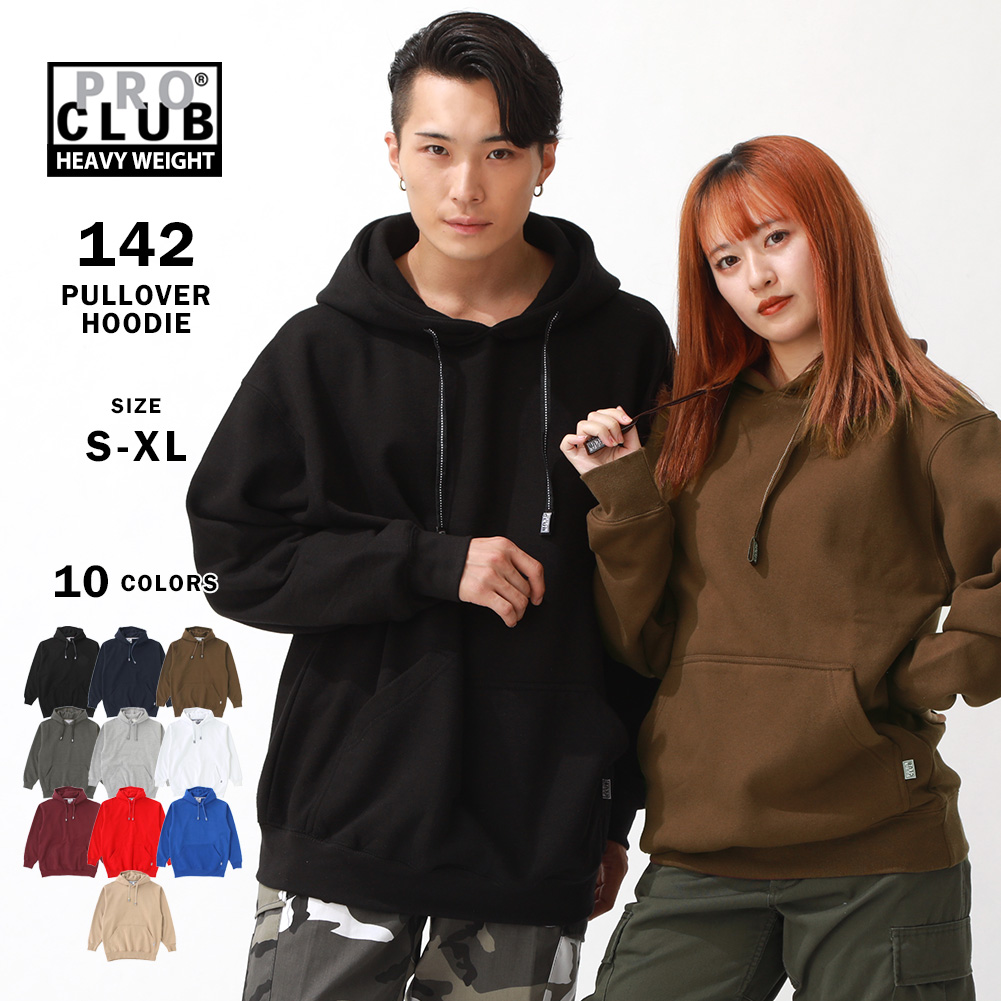
Streetwear buyers frequently make an expensive assumption when ordering heavyweight basics: they expect modern athletic cuts. Anyone purchasing an authentic Pro Club hoodie with that mindset ends up swimming in excess fabric, burdened by stacked cuffs, and wondering why their standard size feels like double-extra-large workwear. Japanese style forums and global forums alike document this recurring shock, echoing broader wardrobe dilemmas tracked in fashion coverage like the livedoor ニュース Report on outerwear proportions and volume control.
The sizing disconnect stems from Pro Club's roots in South Central Los Angeles workwear culture rather than contemporary mall-brand tailoring. Operating under parent company Pro 5 and based in Gardena, California, the brand cuts its apparel specifically for a rugged, loose, dropped-shoulder fit originally favored by West Coast street cultures in the 1990s. When imported across global markets, that traditional American utility silhouette collides directly with expectations built around slim Japanese or European streetwear blanks.
📌 Key Takeaways:
- The Cut Profile: Pro Club hoodies feature an authentic boxy streetwear cut built with an exaggerated chest width measurement and an aggressive shoulder drop fit designed to clear undershirts.
- The Shrink Factor: The signature 13 oz heavyweight fleece uses a 60% ring-spun cotton and 40% polyester blend that shrinks only 3% to 5% lengthwise, debunking myths that hot washing will magically fix an oversized purchase.
- The Size Rule: Most buyers seeking a standard streetwear silhouette need to size down one full size, while those seeking an authentic 1990s baggy drape should stick to their normal size.
The West Coast Workwear Silhouette Behind the Boxy Streetwear Cut
Pro Club never designed its fleece for tailored suburban casual wear. The garment emerged as everyday blue-collar utility gear across Los Angeles swap meets, catering to mechanics, warehouse workers, and neighborhood crews who needed room to move, layer, and withstand rough environments.
This functional history dictated the exact geometry of the pattern. The torso features an exceptionally wide chest panel paired with dropped armholes, creating an authentic boxy streetwear cut that hangs straight down from the ribs rather than tapering into the hips. Instead of sitting squarely atop the clavicle, the shoulder seam falls anywhere from 1.5 to 3 inches down the upper arm. The ribbed waistband does not aggressively cinch the waist like vintage sportswear; it remains loose and relaxed, letting the body of the garment drape cleanly over baggy denim or cargo pants without bunching into an awkward balloon shape.
The 13 oz Heavyweight Fleece Reality and Fleece Shrink Rate
Online discussions routinely claim that soaking a massive hoodie in boiling water will shrink it down to a tailored fit. With Pro Club, that strategy consistently fails. The brand's flagship offering, the 13 oz heavyweight fleece, relies on a dense 60% cotton and 40% polyester blend engineered specifically for durability and shape retention.
Because polyester does not react to hot water the way pure natural fibers do, this textile behaves differently than 100% cotton blanks. In a direct pre-shrunk fleece comparison, pure cotton garments often contract up to 8% to 10% across their total length during initial high-heat laundering. Pro Club fleeces, by contrast, exhibit a limited fleece shrink rate of roughly 3% to 5%, almost entirely along the vertical torso and sleeve length measurements. The chest width measurement barely moves, maintaining its broad stance wash after wash. Relying on machine drying to rescue an oversized purchase only leaves you with slightly shorter sleeves and the exact same cavernous chest volume.
Field Measurements: The Pro Club Pullover Sizing Guide
Achieving the desired look requires checking physical garment dimensions against your own measurements rather than trusting generic letter tags. The table below outlines real-world flat measurements for the core heavyweight pullover collection alongside practical fit expectations.
| Tag Size | Chest Width (Pit-to-Pit) | Body Length (Back Collar to Hem) | Sleeve Length (Center Neck to Cuff) |
|---|---|---|---|
| Small | 22.0 inches (56 cm) | 28.0 inches (71 cm) | 34.5 inches (88 cm) |
| Medium | 24.0 inches (61 cm) | 29.0 inches (74 cm) | 35.5 inches (90 cm) |
| Large | 26.0 inches (66 cm) | 30.0 inches (76 cm) | 36.5 inches (93 cm) |
| X-Large | 28.0 inches (71 cm) | 31.0 inches (79 cm) | 37.5 inches (95 cm) |
| 2X-Large | 30.0 inches (76 cm) | 32.5 inches (83 cm) | 38.5 inches (98 cm) |
A size Medium measures a full 24 inches across the chest. In commercial fashion, 24 inches pit-to-pit is standard for an athletic-cut Large or even Extra Large. This variance proves why choosing a size based on habit alone guarantees sizing mistakes.
Pullover vs Full Zip: Structural Differences in Fit
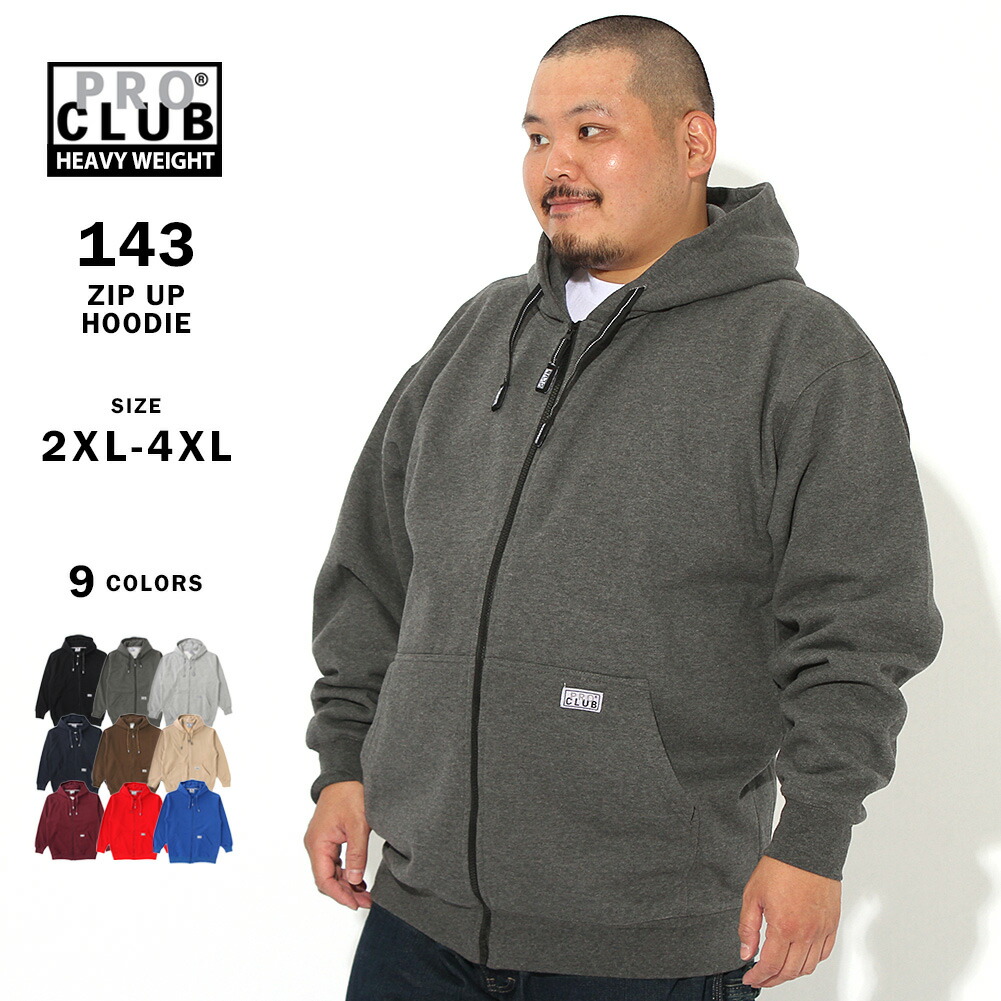
Fit dynamics change significantly when evaluating a pullover sizing guide against a full zip hoodie fit. While both silhouettes rely on the same heavy 13 oz fleece, their closure mechanisms alter how the garment settles on the frame.
The pullover design distributes its weight evenly across the torso, supported by a heavy two-panel hood and a reinforced kangaroo pocket. Because the fabric forms an uninterrupted tube, it drapes downward symmetrically, emphasizing the drop-shoulder stance without buckling in the midsection.
The full-zip version introduces a heavy brass zipper track that stiffens the center seam. When you sit down or bend forward, that zipper track buckles outward into a rigid arch, creating the well-known "zipper pouch" effect. Anyone wearing a full-zip hoodie true to size will find this forward bulge exaggerated by the heavy fleece fabric. Sizing down on the full-zip version reduces the excess vertical fabric in front, allowing the brass track to hang flatter against the body.
True to Size vs Oversized: Selecting Your Ideal Cut
The choice between buying true to size vs oversized comes down to styling intent and your personal build.
Buyers aiming for a contemporary, wearable casual aesthetic should purchase one size down from their normal retail tag. Sizing down preserves the dropped shoulders and broad chest while keeping the torso length and sleeve stacking proportionate, avoiding an unkempt appearance. This setup pairs naturally with straight-leg denim, fatigue pants, and modern low-profile sneakers.
Buyers committed to authentic 1990s West Coast styling, layering thick waffle thermals or heavy Pro Club tees underneath, should order their true size. The garment will fit roomy, hang past the belt line, and stack generously at the wrists over high-top shoes or work boots. Attempting to deliberately "size up" for an exaggerated look is generally a mistake: the sleeves will extend past your fingertips and the shoulder drop will pull the fabric into an awkward, stiff silhouette.
Frequently Asked Questions (FAQ)
Q1: Does a Pro Club heavyweight hoodie shrink a lot after washing?
A1: No. The 60% cotton and 40% polyester blend holds its structure well. It typically loses only 3% to 5% of its length in cold washing and low tumble drying, with negligible shrinkage in the chest width.
Q2: Should I size down if I wear Japanese or European brand sizes?
A2: Yes. Japanese and European retail garments run significantly slimmer. If you normally wear a Japanese size Large, an American Pro Club Medium will feel generous, and a Small will provide a standard tailored fit.
Q3: How do Pro Club hoodies compare to Champion Reverse Weave?
A3: Champion Reverse Weave uses horizontal knit construction with elastic side-rib panels, creating a slightly boxy but structured athletic fit. Pro Club is wider in the midsection, features a heavier shoulder drop, and lacks side gussets, resulting in a distinctly squarer utility cut.
Q4: Why does the hood feel so heavy compared to other hoodies?
A4: Pro Club builds its hoods with double-layered 13 oz fleece. The added weight helps the hood stay upright without sagging, but it also pulls slightly backward against the collar line when worn open.
Navigating Pro Club Measurements Today
Buying heavy basics requires checking construction notes and tape measurements rather than relying on standard retail tags. The Pro Club heavyweight hoodie remains an enduring workwear classic precisely because its manufacturers refuse to tamper with its original, heavy-duty proportions.
Understanding that the garment delivers an authentic American utility block, wide chest measurements, extended sleeve lengths, and minimal shrink rates, eliminates the confusion that leads to ill-fitting purchases. When ordered with the right expectations and proper size adjustments, it offers long-lasting durability and silhouette control that few modern alternatives can rival.
