Why Most Ultraman Bentos Fall Apart: Common DIY Traps and Foolproof Adjustments
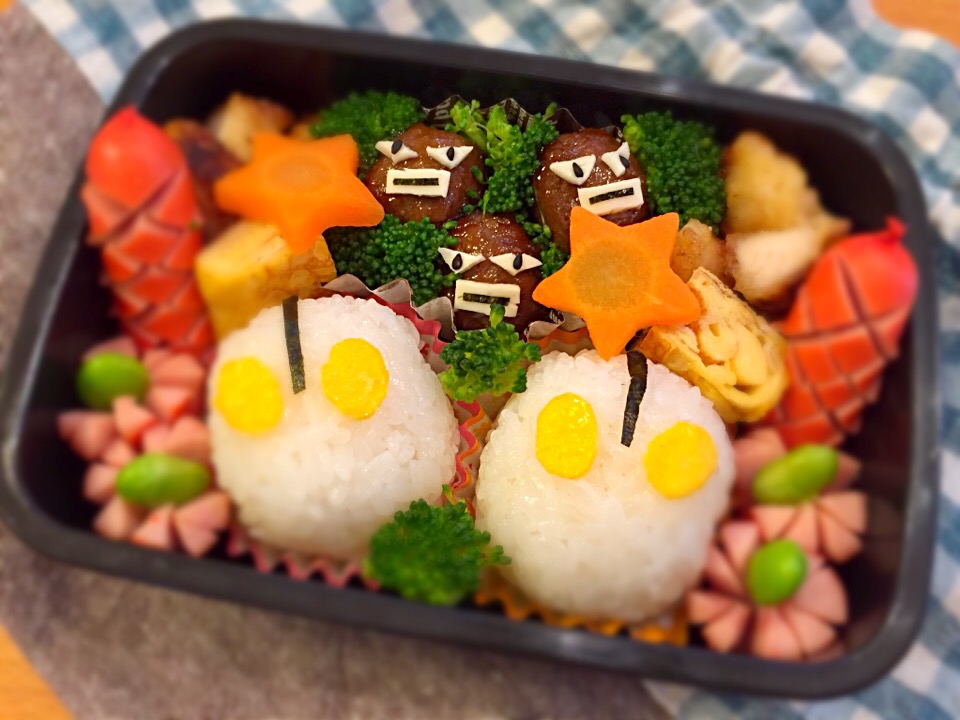
Every morning across Japan and international preschool kitchens, parents encounter the same deflating kitchen tragedy: an edible superhero carefully assembled at 6:30 AM collapses into an unidentifiable smear of rice and seaweed by lunchtime. Crafting an easy Ultraman bento remains one of the most requested kindergarten lunch box ideas, yet the character's sleek, silver-and-red geometric face turns out to be notoriously unforgiving. As documented in viral food design breakdowns, including culinary features showcased by the livedoor ニュース Report, character lunchboxes require strict mechanical balance rather than sheer artistic talent to survive the bumpy commute in a preschooler's backpack.
📌 Quick Summary:
- The Structural Problem: Moisture from warm rice dissolves delicate seaweed outlines and causes processed cheese facial features to melt into adjacent ingredients.
- The Mechanical Fix: Layering cheese barriers over cold-pressed rice and adhering seaweed accents with microscopic drops of mayonnaise prevents transit displacement.
- The Safety Priority: Replacing sharp plastic decoration skewers with raw pasta dowels eliminates early childhood choking hazards while preserving visual appeal.
The Physics of Morning Bento Failure
Most home cooks fail because they assemble character elements directly onto warm starch. Freshly steamed short-grain rice continuously releases water vapor. When trapped inside an airtight plastic container, this humidity condenses against the lid and drips directly onto delicate seaweed cutouts, turning crisp facial features into limp, curled ribbons.
The second primary failure point involves thermal melting. Sliced cheese cutouts, the standard medium for Ultraman’s distinct glowing eyes, contain fat emulsions that destabilize at temperatures as low as 85°F (29.4°C). Placing cheddar or gouda cutouts directly onto freshly packed rice causes the edges to blur immediately, ruining the sharp, iconic silhouette of the hero's face.
Transit vibration destroys whatever survives the heat. A child swinging a lunch bag subjects the meal to repeated lateral force. If the elements lack physical friction or structural anchors, the red mask slips, the eyes slide toward the ear line, and the child opens their box to find abstract modern art instead of an iconic defender of Earth.
Conquering the Nori Curl and Facial Asymmetry
Ultraman requires precise symmetry. Unlike loose cartoon characters like Pikachu or Totoro, where slightly lopsided features can still pass as endearing, an asymmetrical tokusatsu hero looks instantly deformed. The central fin must divide the skull perfectly, and the slanted eye wedges must mirror each other to the millimeter.
Achieving this precision by hand with kitchen scissors during the early morning rush is practically impossible. Successful makers rely on an Ultraman face template cut from clean parchment paper, or they utilize a spring-loaded nori punch cutter to produce consistent curves. Seaweed cut into fine strips shrinks instantly when it touches moist ingredients. To counteract this natural contraction, press the dry nori onto a slice of ham or firm cheese first, rather than placing it raw onto damp grains.
For adherence, professional lunchbox makers abandon water entirely. They use microscopic pinpricks of kewpie mayonnaise applied with the tip of a toothpick. The oil in the mayonnaise forms a waterproof barrier, anchoring the seaweed firmly to the cheese base without introducing water that causes nori to shrivel and curl.
Choosing the Base: Ketchup Rice vs. Decofuri Seasoning
Capturing the hero's distinct silver and crimson shell requires an even, clean color split. Home cooks generally alternate between two primary methods to build the base: traditional fried ketchup rice or Japanese colored rice seasoning powders.
| Method | Moisture Risk Level | Preparation Speed | Structural Durability |
|---|---|---|---|
| Ketchup Rice Base | High (requires pan reduction) | 8, 12 minutes | Moderate; grains become soft if over-sauced |
| Decofuri Powder | Very Low (dry seasoning salt) | 2, 3 minutes | High; maintains firm rice cohesion |
| Kanikama Peel Overlay | Low (surface moisture patted dry) | 5, 7 minutes | Very High; creates a solid protective sheet |
Ketchup rice provides a sweet profile loved by preschoolers, but liquid tomato paste introduces excess water that threatens food safety if left unrefrigerated. If using ketchup, cooks must sauté the mixture thoroughly in a dry pan until all excess water evaporates. In contrast, decofuri colored rice seasoning provides vibrant red hues instantly without altering the moisture ratio of the grains.
The most visually authentic Japanese kyaraben hacks rely on kanikama crab stick accents. By carefully peeling away the red outer film of imitation crab sticks and patting them dry on paper towels, cooks obtain flexible, tear-resistant crimson ribbons. These ribbons drape neatly across white rice balls shaped with dedicated rice shaping molds, generating crisp edges that ketchup paste cannot replicate.

Kindergarten Lunchbox Safety Protocols
Food presentation can never compromise student safety. Many commercial bento kits include sharp plastic picks shaped like miniature swords or hero eyes. Japanese early childhood educators frequently caution parents against sending sharp plastic picks for children ages 3, 5, as eager eaters running through lunch periods risk puncture injuries or choking.
Seasoned lunch makers bypass commercial skewers entirely by using uncooked spaghetti strands. Piercing a cheese cutout or vegetable garnish with a 1-inch length of raw spaghetti pins the component firmly into the rice foundation. Over the course of three to four hours, moisture from the food naturally softens the pasta until it becomes fully edible and harmless.
Preventing bento moisture serves a biological purpose beyond aesthetics. Bacterial growth in packed meals spikes dramatically between 68°F and 104°F (20°C, 40°C). Professional preschool lunch standards require packing thoroughly chilled food into dry bento boxes, separating character elements with moisture-absorbing sheets, and tucking reusable ice packs securely around the outer pouch.
Troubleshooting Common Morning Character Disasters
When an assembly goes wrong with ten minutes left before the school bus arrives, simple emergency adjustments save the presentation:
If nori features curl irreversibly, abandon bare seaweed strips immediately. Cut the entire face frame from a sheet of sliced cheddar, affix the nori to the cheese with mayonnaise, and rest the entire rigid plaque directly onto the rice ball.
If colored rice falls apart, avoid packing loose grains. Place the warm rice into plastic wrap, twist the bundle firmly into an egg shape, and let it rest for 3 minutes until the starches lock into a dense foundation.
If kanikama peels tear during separation, microwave the crab stick for precisely 5 seconds. This softens the outer gelatin layer, allowing the red skin to peel cleanly away from the white surimi base without snapping.
Frequently Asked Questions (FAQ)
Q1: Can I make an Ultraman character bento the night before?
A1: You can prep structural elements the evening prior, such as cutting cheese shapes and separating crab stick skins, but avoid assembling them onto rice overnight. Pack components into an airtight container lined with parchment paper, chill them overnight, and assemble the face in 3 to 5 minutes the following morning over thoroughly cooled rice.
Q2: How do I get white rice to look metallic or silver?
A2: Short-grain white rice naturally provides the contrast needed against red accents. For deeper shading, mix ground black sesame seeds or a tiny sprinkle of fine nori dust into white rice to create a speckled slate finish, or wrap white rice balls with boiled quail eggs sliced in half for a clean, porcelain-white sheen.
Q3: What tools are truly essential for a beginner?
A3: You do not need expensive commercial kits. A pair of fine-tip craft tweezers, clean kitchen plastic wrap, a sharp craft knife, and a pack of toothpick-grade wooden skewers provide sufficient control to shape rice and apply micro-sized seaweed elements accurately.
Building Reliable Bento Routines for 2026
Character bento making succeeds through structured preparation and physical control rather than frantic morning improvisations. By respecting how moisture, heat, and transit impact fresh ingredients, cooks can assemble durable, visually striking lunchboxes that survive the commute intact. Managing temperature drops, stabilizing nori with fat barriers, and choosing secure accents like peeled kanikama turn a frustrating morning task into a calm, five-minute kitchen craft.
