Why Ramen Is Losing to Dessert: Inside the Midnight Phenomenon of Ikebukuro's Momobukuro
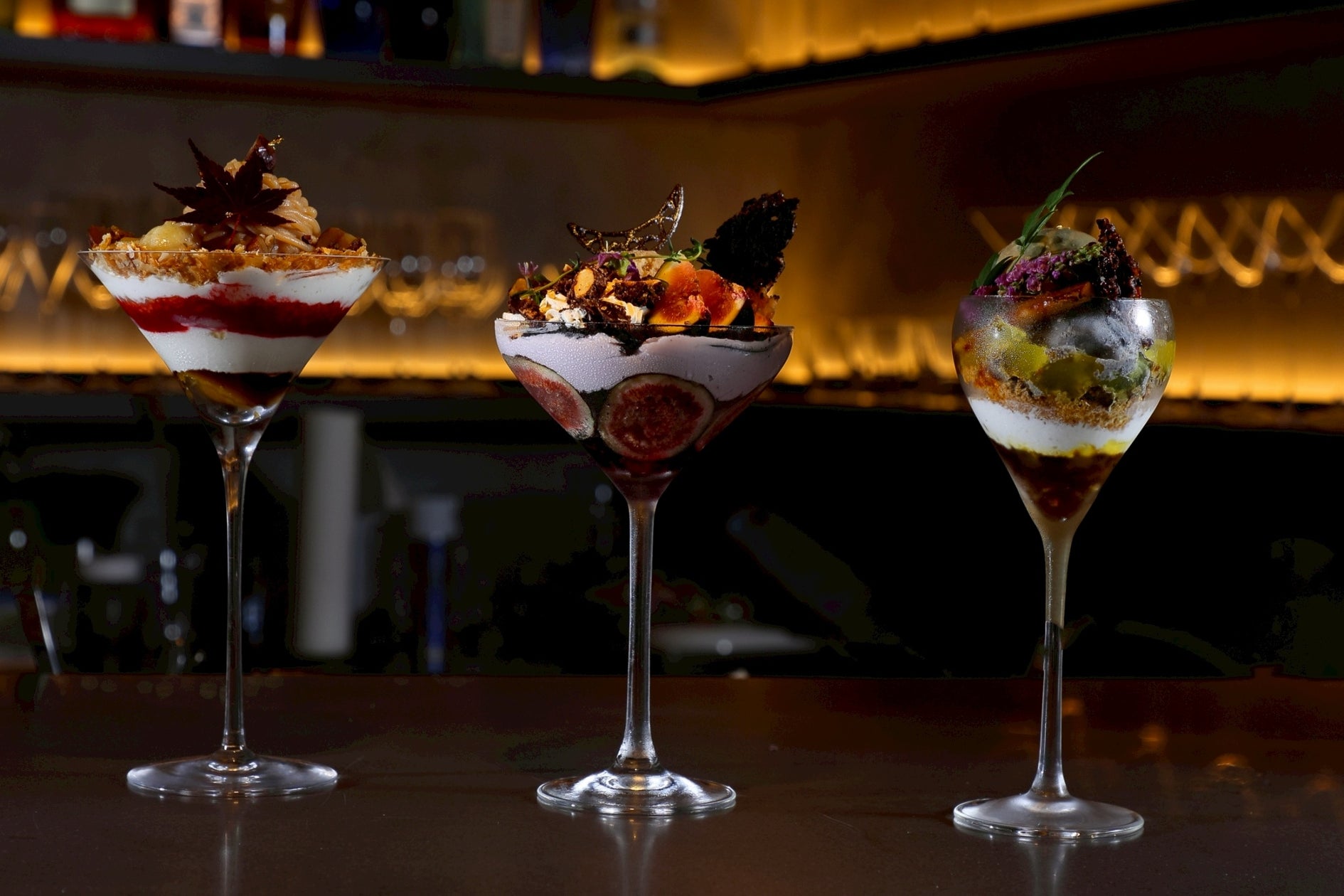
At 11:30 PM along the neon-drenched alleys of West Ikebukuro, the traditional ritual of the salaryman used to be written in steam and pork fat. For decades, wrapping up an evening of drinks in Tokyo meant crowding into an elbow-to-elbow counter for a piping bowl of tonkotsu ramen, a carb-heavy ritual known as shime (the final act of a night out). But step inside the hushed, minimalist sanctuary of Momobukuro, and you will see a radically different ending. Patrons sit quietly under dim brass lighting, waiting not for broth, but for towering, sculptural glass chalices layered with yuzu gelée, Valrhona chocolate crisps, and botanical spirits. As documented in a recent field review by veteran sweets critic Mr. Kuroneko for an MSN Report, this quiet basement venue has become ground zero for an enduring metropolitan culinary shift.
The establishment operates under a singular concept: the specialty night parfait (yoru parfait). Originally transplanted from the entertainment districts of Hokkaido, the format turns the traditional daytime dessert into an after-hours architectural showcase. Patrons do not arrive here for a quick sugar rush. They come for an intentional, sensory cool-down that balances sharp acidity, bitter herbs, and subtle liqueurs against the lingering haze of draft beer and highballs.
📌 Key Takeaways:
- The Behavioral Shift: Tokyo diners are increasingly trading greasy post-drinking noodles for precision-crafted, low-sugar fruit and gelato parfaits designed specifically to cleanse the palate.
- The Sapporo Lineage: Momobukuro operates as a direct Tokyo flagship of the Hokkaido shime parfait movement, engineered with complex structural tiers and alcohol pairings.
- Corporate Validation: Once an indie subculture, the late-night dessert market has matured into a nationwide industry, attracting multi-brand operators and expansion capital across major Japanese metros.
The Susukino Blueprint: How Hokkaido's Post-Drinking Ritual Took Tokyo
The practice of closing out an evening with sweets is not a spontaneous Tokyo creation. It traces back to around 2015 in Susukino, Sapporo's legendary entertainment district. Surrounded by sub-zero winter temperatures, Hokkaido revelers began slipping into heated subterranean cafes for house-churned dairy, fresh local berries, and spirits after long izakaya crawls. It was a lifestyle habit before marketers ever gave it a label.
When the concept first migrated south to Tokyo hubs like Shibuya, Shinjuku, and Ikebukuro, industry observers questioned whether it could unseat midnight ramen. Fast-forward past the mid-2020s, and the question has answered itself. The cultural appeal rests on physical relief. After consuming fried food and salty pub snacks, an intensely rich pork broth frequently brings regret by morning. In contrast, an artisan Japanese parfait engineered for late-night service leans heavily into tart sorbets, citrus crisps, floral gelées, and cleansing astringents.
Momobukuro, named with a playful nod to Ikebukuro's owl mascot (fukuro), formalized this northern transplant for a design-conscious urban clientele. The space feels closer to an omakase cocktail lounge than a tearoom. Customers queue up well past 10:00 PM on weeknights, watching pastry chefs wield tweezers, blowtorches, and microplanes behind a bar counter with laboratory-grade precision.
Architectural Sugar: Inside Momobukuro’s Precision Glassware
Look at an artisan parfait from Momobukuro, and you will notice an obsession with vertical engineering. These are not the diner parfaits of mid-century Americana, loaded with canned peaches and mountains of heavy whipped cream. Instead, every creation resembles an edible installation, accompanied by a detailed hand-sketched schematic diagram illustrating up to 15 distinct components inside the glass.
The construction follows a strict temperature and moisture gradient:
- Top Canopy: Hand-pulled sugar tuiles, dehydrated seasonal fruit crisps, or delicate meringue batons that offer immediate crisp textures.
- Gelato and Sorbet Core: In-house micro-churned components featuring seasonal produce, such as bitter blood orange, scorched fig, or hojicha, churned with minimal fat content to prevent coating the tongue.
- Structural Buffer: Crushed nut crumbles, feuilletine, or cacao nibs that create an acoustic crunch while separating freezing elements from ambient gels.
- Base Drainage: Light fruit infusions, grappa-soaked sponges, or sparkling wine gelées that leave the diner refreshed rather than weighed down.
Mr. Kuroneko, who conducts over 1,000 sweets inspections annually, pointed out that Momobukuro's parfaits succeed because they deliberately suppress residual sweetness. The sugar levels are calibrated downward by roughly 30% compared to standard cafe sweets. By using herbs like thyme and rosemary, spices such as sansho pepper, and reductions of dry vermouth or cassis, the kitchen creates dynamic contrasts that appeal directly to adult diners who might otherwise bypass dessert menus entirely.
The Operational Shift: Midnight Ramen vs. Specialty Night Parfait
The commercial ascendancy of the midnight cafe culture in Ikebukuro reflects shifting economics and dining demographics. Where ramen operates on rapid 15-minute seat turnover and low ticket averages, specialty night parfait parlors run on higher gross margins, extended table dwelling, and premium beverage pairings.
| Operational Metric | Traditional Late-Night Ramen | Specialty Night Parfait (Momobukuro) |
|---|---|---|
| Average Spend Per Guest | ¥900, ¥1,300 | ¥2,200, ¥3,500 |
| Peak Operating Hours | 11:30 PM, 3:00 AM | 8:00 PM, 12:30 AM |
| Average Dwell Time | 12, 20 minutes | 45, 60 minutes |
| Core Customer Base | Solo male diners, drinkers | Couples, female groups, non-drinkers |
| Beverage Margin Contribution | Low (canned highball, draft beer) | High (craft gin, specialty spirits, organic tea) |
The table reveals why commercial landlords actively court these establishments. A venue like Momobukuro captures a higher-ticket demographic that traditionally went home early after dinner. It also broadens evening revenue streams: non-drinkers who sit uncomfortably in smoky pubs now have a sophisticated place to socialize until midnight without ordering alcohol.
Spirits, Sorbet, and Sensory Curation: The Pairing Mechanism
Part of Momobukuro's draw lies in its beverage program. Rather than offering ordinary coffee or fountain sodas, the staff recommends targeted spirit and tea pairings for each rotating seasonal menu item.
A parfait centered on dark chocolate, black truffle gelato, and griotte cherries is paired with a peated Islay single malt. The smoke from the whiskey cuts through the rich cocoa butter while elevating the cherry's natural tartness. Alternatively, an arrangement highlighting Japanese white peaches and fresh mint will be matched with a craft botanical gin infused with sansho pepper or a cold-brew gyokuro green tea.
This approach transforms dessert into an analytical tasting flight. Online diners across Japanese community platforms frequently discuss how these pairings elevate the after-work unwind into something deliberate. It is an experience that cannot be replicated at home with convenience store ice cream cups, justifying prices that frequently exceed ¥2,500 per glass.
Corporate Capital Enters the Midnight Cafe Ecosystem
What started as an underground trend has crossed into corporate hospitality strategy. Major institutional restaurant groups across Japan have begun securing stakes in late-night confection concepts to diversify away from declining alcohol consumption among younger generations.
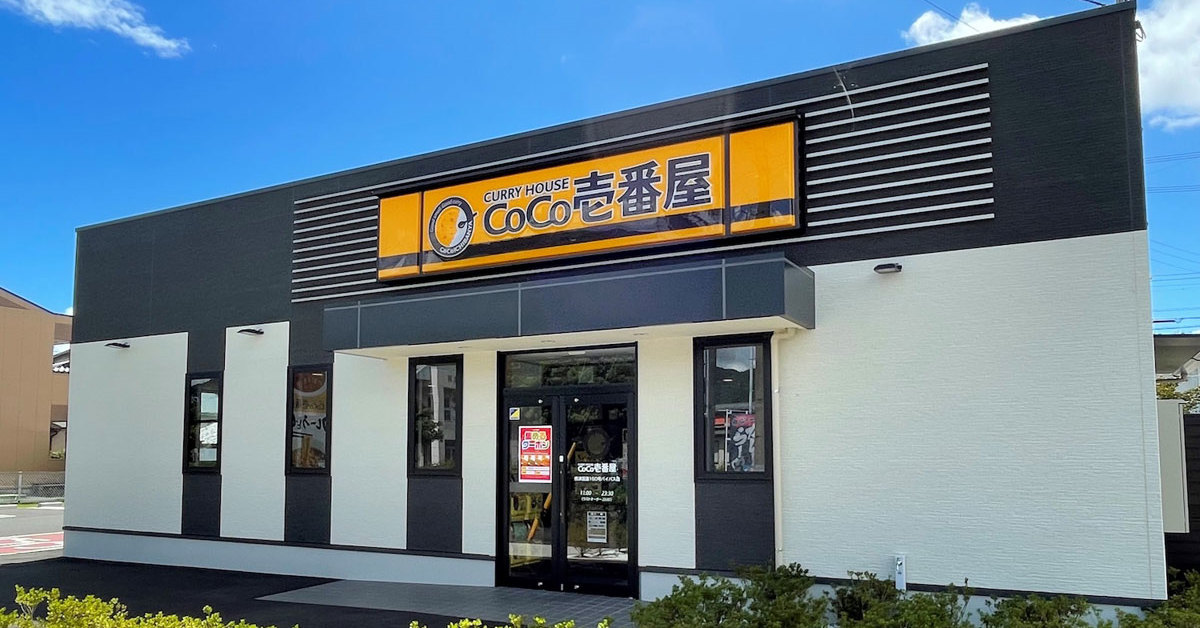
As reported by business outlet ITmedia in early 2026, curry chain powerhouse Ichibanya (operator of CoCo Ichibanya) made headlines by entering the specialty night parfait market. Addressing this commercial migration, Wataru Sakurai, president of CARTON Co., Ltd., which spearheaded early expansions of the late-night parfait model, explained that the habit of craving post-meal sweets is deeply rooted in human habits rather than being a temporary social media gimmick. CARTON cemented this view on May 15, 2026, when the company officially launched Parfait Bar &VIGO in Sapporo's Susukino district, staging a high-profile return to the spiritual birthplace of the movement.
The institutional backing signals that the post-drinking dessert sector has graduated from an eccentric novelty to a permanent tier of Japan's nightlife infrastructure. In urban cores where traditional izakayas struggle with post-pandemic habits, venues offering ambient, low-alcohol late-night socializing fill a widening retail void.
Frequently Asked Questions (FAQ)
Q1: Do I need a reservation to visit Momobukuro, or can I walk in late at night?
A1: Momobukuro operates primarily on a walk-in, numbered ticketing system during peak hours. On Friday and Saturday nights between 9:00 PM and 11:30 PM, wait times can reach 40, 60 minutes. Arriving right when doors open in the early evening, or stopping by on a weekday after 10:30 PM, typically results in minimal queuing.
Q2: How sweet are these parfaits compared to standard Japanese desserts?
A2: They are noticeably drier and less sugary than traditional daytime cafe parfaits. The recipes deliberately emphasize sharp tartness from citrus, botanical bitterness from teas and herbs, and complex acidity to act as a palate cleanser after dining.
Q3: Is ordering an alcoholic beverage mandatory at Momobukuro?
A3: No. While the shop offers curated alcohol-infused dessert pairings, they provide an extensive selection of specialty coffees, hot roasted green teas, and non-alcoholic herb infusions tailored specifically to match each parfait.
The Enduring Evolution of Tokyo's Midnight Palate
The packed counters of Momobukuro tell a compelling story about how metropolitan preferences evolve. Tokyo's night scene no longer demands that every gathering end in a rush of sodium and broth beneath fluorescent tube lights. There is an unmistakable appetite for quiet, architectural craftsmanship served in a stem glass.
By treating the late-night dessert as an art form rather than an indulgence, specialty shops have redefined evening dining in Ikebukuro and beyond. As more diners leave izakayas and instinctively look for sorbet and spun sugar over noodles, the midnight parfait has established itself not merely as a novelty, but as a permanent fixture of Japan's urban foodways.
