Why Robata Italian FESTA Hakata Became Fukuoka's Most Viral Dining Sensation
Travelers stepping out of Hakata Station in Fukuoka usually hunt down two local benchmarks: steaming bowls of tonkotsu ramen and bubbling pots of motsunabe. Yet throughout early 2026, an entirely unexpected hybrid concept disrupted the city's evening trade. Robata Italian FESTA Hakata, a bustling dining room tucked within walking distance of the central rail hub, has surged into international culinary itineraries by pairing Japan's primitive hearth-grilling tradition with rustic Mediterranean comfort.
The establishment's sudden ascendancy is no passing quirk of algorithmic hype. According to retail analysis published by the honichi Report, which tracks cross-border review patterns across Kyushu, the restaurant secured top-tier standing in the Hakata and Tenjin inbound dining rankings for mid-2026. Global visitors are bypassing conventional European dining and traditional izakaya formats alike, converging on FESTA's open counters for a sensory style of dining that feels both native to Kyushu and refreshingly cosmopolitan.
📌 Key Takeaways:
- The Concept: Robata Italian FESTA Hakata integrates traditional Japanese charcoal hearth cooking (robatayaki) with rustic Italian pasta, crudo, and bagna cauda.
- The Surge: Honichi Lab's inbound index confirmed FESTA as one of Fukuoka's top-performing restaurants based on international traveler review velocity and ratings.
- The Experience: Open-counter binchotan charcoal grilling, locally sourced Kyushu seafood and wagyu skewers, and curated natural wines drive high customer retention.
The Counter-Intuitive Spark Behind Hakata's Charcoal-Fired Italian Hybrid
Robatayaki traces its lineage to northern Japanese fishermen using sunken hearths to roast their catch over glowing coals. The technique relies on radiant heat, salt, and patience. Italian trattoria cooking, by contrast, centers on emulsified fats, bright acid, garlic, and fresh herbs. Blending the two could easily slip into unfocused gimmickry. FESTA sidesteps this pitfall by treating charcoal as an active seasoning rather than a culinary motif.
The kitchen crew stacks dense binchotan charcoal inside an open, elevated grill pit at the center of the main counter. Skewers of seasonal vegetables and fresh cuts are suspended over infrared heat, searing the exterior while locking moisture beneath a crisp crust. Instead of standard soy-mirin tare, cooks dress these skewers with cold-pressed olive oils, aged Parmigiano-Reggiano, crushed pepperoncino, or reduced balsamic glazes. The result respects the integrity of Japanese ingredient handling while delivering the assertive flavors characteristic of southern Europe.
How Binchotan Char and Mediterranean Profiles Reshaped Kyushu Dining
Kyushu is Japan's agricultural powerhouse. The island produces some of the nation's sweetest root vegetables, marbled Black Wagyu, and fresh seafood from the surrounding Genkai Sea. Robata Italian FESTA Hakata treats this regional bounty as its core canvas.
A flagship order starts with seasonal Genkai sea bream or fatty yellowtail, seared over glowing charcoal until the skin crackles, then plated with sea salt, lemon, and a verdant salsa verde. Wood-fired skewers feature chunks of Hakata jidori chicken threaded with green scallions, finished with an Italian herb dust and melted scamorza cheese. The open flame also plays a decisive role in their pasta prep; hand-pulled noodles are tossed with charcoal-roasted shellfish, smoked tomatoes, and garlic-infused chili oil right at the pass. This smoke profile transforms familiar pasta into an umami-rich meal that matches the boisterous atmosphere of Hakata's nighttime izakayas.
Hakata Dining Compared: Traditional Robata vs. FESTA vs. Standard Western
To understand why this hybrid format exploded among global travelers in 2026, one must examine how FESTA compares against Hakata's established dining alternatives across cost, atmosphere, and culinary focus.
| Dining Style | Average Spend (Dinner) | Signature Profiles | Typical Audience |
|---|---|---|---|
| Robata Italian FESTA Hakata | ¥4,500, ¥6,500 ($30, $44) | Charcoal-grilled skewers, bagna cauda, smoked pasta, natural wine | Global travelers, young locals, mixed small groups |
| Traditional Hakata Izakaya | ¥3,500, ¥5,000 ($24, $34) | Sashimi platters, yakitori with tare, motsunabe, draft lager | Salarymen, local regulars, domestic business travelers |
| Standard Hakata Trattoria | ¥5,000, ¥7,500 ($34, $51) | Conventional pasta carbonara, margherita pizza, imported Chianti | Couples, domestic dates, casual family gatherings |
The Social Dynamics Fueling Hakata's Viral Counter Experience
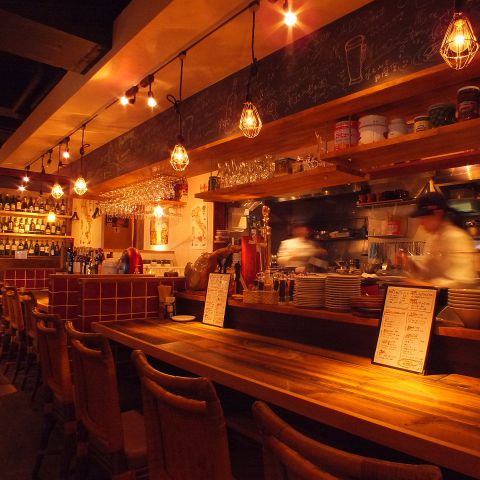
FESTA's viral appeal is anchored directly in its floor architecture. Traditional robatayaki venues maintain an engaging, communal kitchen dynamic, but the language barrier often keeps foreign diners hesitant to engage. FESTA designed its Hakata floor plan around an exposed, 360-degree interactive kitchen counter. Guests can watch meat sizzle over open binchotan coals, catch the aromatic drift of garlic and melting cheese, and point directly to ingredients displayed on ice along the counter rim.
The front-of-house staff bridges the communication gap through multilingual digital menus and an intentionally casual service ethos. Travelers post clips on Instagram and TikTok showing skewers sizzling over the embers, followed by generous scrapings of truffled pecorino over fresh beef tartare. That visual theater drives genuine discovery. The restaurant does not rely on sterile marketing campaigns; customers share what they see across social platforms, turning first-time tourists into brand advocates before they even leave Fukuoka.
Navigating Reservations and Peak Hours at FESTA Hakata
Because the venue has earned top rankings across inbound travel guides, walking in without an advance booking between 6:30 PM and 9:00 PM rarely works. The dining room fills up fast, especially on Friday and Saturday evenings when local office workers mingle with international visitors.
Table bookings are best secured two to four weeks in advance via their online portal or popular English-friendly reservation platforms. Diners who find the main slots full should target the late-seating window after 9:30 PM. The pace shifts into an energetic wine-bar mood toward midnight, offering natural wines by the glass paired with smaller grilled skewers and crudo. The location puts guests within an easy seven-minute walk from Hakata Station's Chikushi exit, making it a simple stop for visitors returning from regional day trips across Kyushu.
Frequently Asked Questions (FAQ)
Q1: What is the price range per person at Robata Italian FESTA Hakata?
A1: A complete dinner featuring three to four charcoal-grilled skewers, a fresh pasta dish, and two glasses of wine or beer averages between ¥4,500 and ¥6,500 ($30, $44 USD). Lunch sets or late-night light bites cost considerably less.
Q2: Can the kitchen accommodate vegetarian or gluten-free diets?
A2: While the kitchen grills plenty of seasonal Kyushu root vegetables, mushrooms, and greens over the coals, cross-contact with seafood and meats on the grill surface is common. Vegetarian guests can order vegetable skewers, bagna cauda, and selective antipasti, but strict celiacs should exercise caution due to wheat flour used across the pasta prep stations.
Q3: How far in advance should I make a reservation?
A3: Peak evening slots (6:00 PM to 8:30 PM) routinely book out two to three weeks ahead. Solo diners can occasionally snag single seats at the charcoal counter with little notice, but parties of two or more should reserve through online booking engines well ahead of their trip.
Kyushu's Changing Culinary Canvas
Fukuoka has long enjoyed a reputation as Japan’s premiere street-food capital. Its famous yatai stalls and neighborhood izakayas represent an untouchable pillar of local culture. But the success of Robata Italian FESTA Hakata proves that local dining continues to evolve. Diners arriving in 2026 want respect for regional ingredients without rigid culinary boundaries.
By taking Kyushu's fresh catch, local wagyu, and ancient binchotan techniques, then pairing them with the punchy, acidic comfort of Italian cuisine, FESTA struck an ideal balance between foreign familiarity and local culinary craft. The open kitchen, glowing embers, and spirited service show that Hakata's food identity thrives on reinvention.
