Why South Indian Meals Are Taking Over Tokyo: The Everyday Feast That Changed Curry Culture
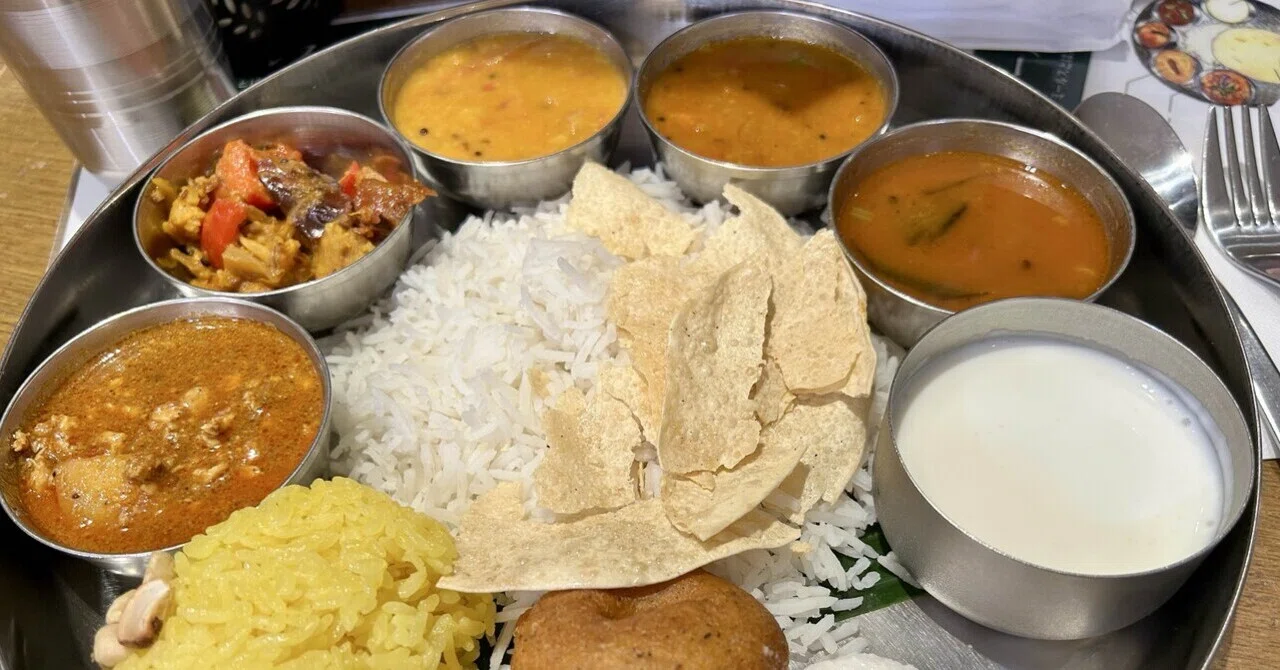
Walk through the Yaesu underground mall beneath Tokyo Station during weekday lunch hours, and the air smells nothing like the heavy, flour-thickened roux that defined Japanese curry for over a century. Instead, mustard seeds pop in hot oil, curry leaves crackle, and the sour steam of tamarind cuts through the subterranean concourse. Diners sit shoulder to shoulder before glistening stainless steel platters piled with basmati rice, pouring thin lentil stews and pepper broths over their grains. As detailed in a livedoor ニュース Report, passionate curry obsessives across Japan have traded heavy gravies for the lighter, infinitely customizable rhythm of South Indian meals.
This culinary shift achieved mainstream validation in May 2026. Denny's Japan, led by President Masami Komatsu, announced a nationwide menu rollout supervised by Shunsuke Inada, executive chef of the trailblazing chain Erik South. Beginning May 20, 2026, six authentic regional dishes, including a dedicated "D's Meals Platter" and dum-style chicken biryani, hit the tables of family diners across the country. What started as an esoteric regional curiosity championed by spice pilgrims has evolved into an essential pillar of urban Japanese dining.
📌 Key Takeaways:
- The Mainstream Crossover: Denny's Japan partnered with Erik South pioneer Shunsuke Inada in May 2026 to bring multi-dish South Indian platters into the family restaurant sector.
- A Shift in Palate: Tokyo diners increasingly prefer oil-light, highly aromatic spice tempering and fermented vegetarian elements over dense, wheat-heavy Japanese curry roux.
- The Mixing Ritual: The core appeal lies in experiential eating, where diners blend sambar, rasam, kootu, and poriyal on the plate to craft personalized flavors with every bite.
From British Roux to Basmati: The Tokyo Curry Boom
For decades, curry in Japan meant comfort food frozen in rigid amber gelatin. Introduced via the British Royal Navy in the late 19th century, standard Japanese curry relies on wheat flour, butter, and instant roux blocks. Later waves brought North Indian stalwarts: massive tandoor-baked naan dripping with ghee, accompanied by sweet butter chicken or heavy paneer gravies. While beloved, those meals sat heavily in the stomach. They offered singular, uniform flavor profiles that rarely varied from the first spoonful to the last.
The turn toward southern traditions altered that dynamic completely. The southern states of Tamil Nadu, Kerala, Karnataka, and Andhra Pradesh center their culinary identity on rice rather than wheat, utilizing coconut milk, tamarind, and fresh curry leaves instead of dairy fats and garam masala. When early Tokyo specialty spots began serving these vibrant platters, adventurous foodies noticed an immediate difference: the food was vibrant, intensely spiced, and remarkably light on digestion. The Tokyo curry boom quickly shifted focus from sheer heat levels to aromatic complexity, setting off an appetite for regional authenticity that continues to accelerate.
Anatomy of the Platter: Sambar, Rasam, and Spice Tempering
At the center of this dining trend sits the meal itself: a curated assortment of small metal bowls, or katori, arranged around a central mound of rice. The foundation relies on two indispensable broths. Sambar, a hearty lentil-and-vegetable stew cooked with pigeon peas (toor dal) and tamarind, delivers earthy nourishment. Beside it sits rasam, a thin, intensely sour, black-pepper-laced soup designed to stimulate digestion and clear the palate between bites.
The technique driving these dishes is tadka, or spice tempering. Chefs flash-fry whole black mustard seeds, dried red chilies, urad dal, and fresh curry leaves in hot oil or ghee for mere seconds before pouring the sputtering aromatic oil over the cooked bases. Surrounding the soups are dry vegetable stir-fries seasoned with grated coconut (poriyal) and gently spiced vegetable stews enriched with lentils (kootu). A crisp, fried lentil wafer known as appalam (or papadum) rests across the rice, providing textural crunch against tender grains of sona masoori or basmati.
The Erik South Effect and Denny's Mass-Market Bet
No individual did more to democratize this cuisine in Japan than chef Shunsuke Inada. When Inada opened the original Erik South counter inside Tokyo Station's Yaesu shopping arcade, skeptics warned that salarymen would reject runny sauces, unfamiliar basmati rice, and complex vegetarian side dishes. Instead, the shop drew permanent queues. Office workers embraced the speed of service and the restorative properties of the cooking. Today, flagship locations command steady lines, with diners paying ¥2,320 for the signature Eric Meals platter featuring house tomato dal, seasonal vegetable curries, and spicy Malabar mutton or chicken options.
The announcement from Denny's Japan on May 11, 2026, proved that Inada's vision has transcended metropolitan culinary subcultures. Partnering with a corporate family restaurant chain carrying hundreds of domestic locations represents an unprecedented scaling of regional Indian food in East Asia. The Denny's collaboration removes the intimidation barrier, introducing suburban families and elderly diners to dishes that require mixing, crushing appalam, and balancing competing acidic and earthy notes on a single plate.

Banana Leaves and Brass Plates: The Dining Experience at Tokyo Bhavan
While counter-service chains handle high-speed lunch rushes, dining destinations like Tokyo Bhavan, situated along the border of Iidabashi and Kudanshita in Chiyoda Ward, deliver traditional banquet dining. There, guests often receive their meals served on genuine banana leaves rather than stainless steel thalis. The natural waxy leaf imparts a faint herbal fragrance to hot rice, echoing traditional feast culture across southern India.
At establishments like Tokyo Bhavan, the distinction between pure vegetarian meals and non-vegetarian adaptations becomes apparent. Purists often opt for vegetarian versions, highlighting the delicate interplay of fresh vegetables, cooling yogurt (curd), and comforting dal curry. Meat-forward offerings incorporate coastal influences: tangy fish curries steeped in kokum or fiery chettinad chicken. Regardless of protein choice, these neighborhood institutions offer limitless refills of sambar and rasam, replicating the generous hospitality of southern dining halls.
Comparing Tokyo's South Indian Formats
The modern Tokyo diner can choose between radically different styles of meal service depending on budget, time constraints, and the pursuit of regional accuracy. The structural breakdown below illustrates how the ecosystem operates in 2026.
| Service Format | Typical Price Range | Primary Characteristics |
|---|---|---|
| Urban Counter Specialty(e.g., Erik South) | ¥1,400, ¥2,500 | High turnover, compact stainless thalis, customizable dry meat curries alongside traditional dal. |
| Traditional Feast House(e.g., Tokyo Bhavan) | ¥1,800, ¥3,200 | Banana leaf presentations, endless rice and soup refills, robust selection of evening tiffin snacks. |
| National Family Restaurant(e.g., Denny's Collaboration) | ¥1,100, ¥1,650 | Broad accessible spices, streamlined plate designs, hybrid sides engineered for mass-market diners. |
Etiquette and Technique: How Tokyo Diners Learned to Mix
Understanding a South Indian meal requires unlearning the fundamental rules of Japanese dining. In traditional Japanese meals, dishes sit in separate ceramic vessels, and mixing them together is considered poor manners. Rice must remain pristine and white. South Indian meals demand the exact opposite.
First, diners crush the crisp appalam directly over the mound of rice. Next, they spoon dal curry and sambar into the center to soften the grains. A splash of acidic rasam provides lift, while a dollop of kootu adds sweetness and body. Each mouthful is blended immediately before consumption, creating spontaneous micro-combinations. A diner might combine spicy pickle with cooling yogurt in one bite, followed by savory dry chicken and crunchy fried wafer in the next. The plate becomes an active culinary canvas rather than a static presentation.
This participatory dynamic explains why diners develop obsessive loyalty to the style. The meal adapts continuously to personal preference. Those craving extra heat fold in fiery chutneys, while those seeking mild comfort lean on soothing lentils and coconut.
Frequently Asked Questions (FAQ)
Q1: What is the primary difference between North Indian curry and a South Indian meal?
North Indian dining prominently features wheat-based flatbreads like naan and roti, accompanied by rich, dairy-heavy gravies thickened with onions, nuts, and cream. South Indian meals are built around rice, utilizing lentils, coconut milk, tamarind, and tempered mustard seeds to create lighter, tangier, and more broth-centric profiles.
Q2: Is eating a South Indian meal with your hands customary in Tokyo restaurants?
While eating with your right hand is traditional across southern India, virtually all Tokyo specialty shops provide spoons and forks by default. However, many dedicated dining spots actively encourage hand-eating, offering dedicated hand-washing basins in the dining room for enthusiasts who prefer the tactile tradition.
Q3: What role does tiffin play alongside meals culture?
In southern India, "meals" specifically denotes the hearty afternoon rice feast, whereas tiffin refers to lighter fare consumed for breakfast or late afternoon tea. Tiffin specialties include fermented rice-and-lentil crepes (dosa), steamed savory cakes (idli), and fried savory lentil donuts (vada). Tokyo diners often order tiffin items as evening appetizers before moving to full platters.
The Lasting Imprint on Japanese Food Culture
The spread of South Indian food marks a permanent expansion of Japan's spice lexicon. By welcoming dishes that prioritize acid, fermented lentils, and dry aromatics over heavy fats, Japanese diners have moved past decades of culinary homogenization. The explosive popularity of Erik South and its subsequent elevation into national chains demonstrates that consumer palates crave complex, participatory food experiences. In a dining capital defined by technical precision and uncompromising execution, the everyday feast of southern India has found an enduring home.
