Yomorinari's Debut Art Book Arrives: April 2025 Release Details and Buzz
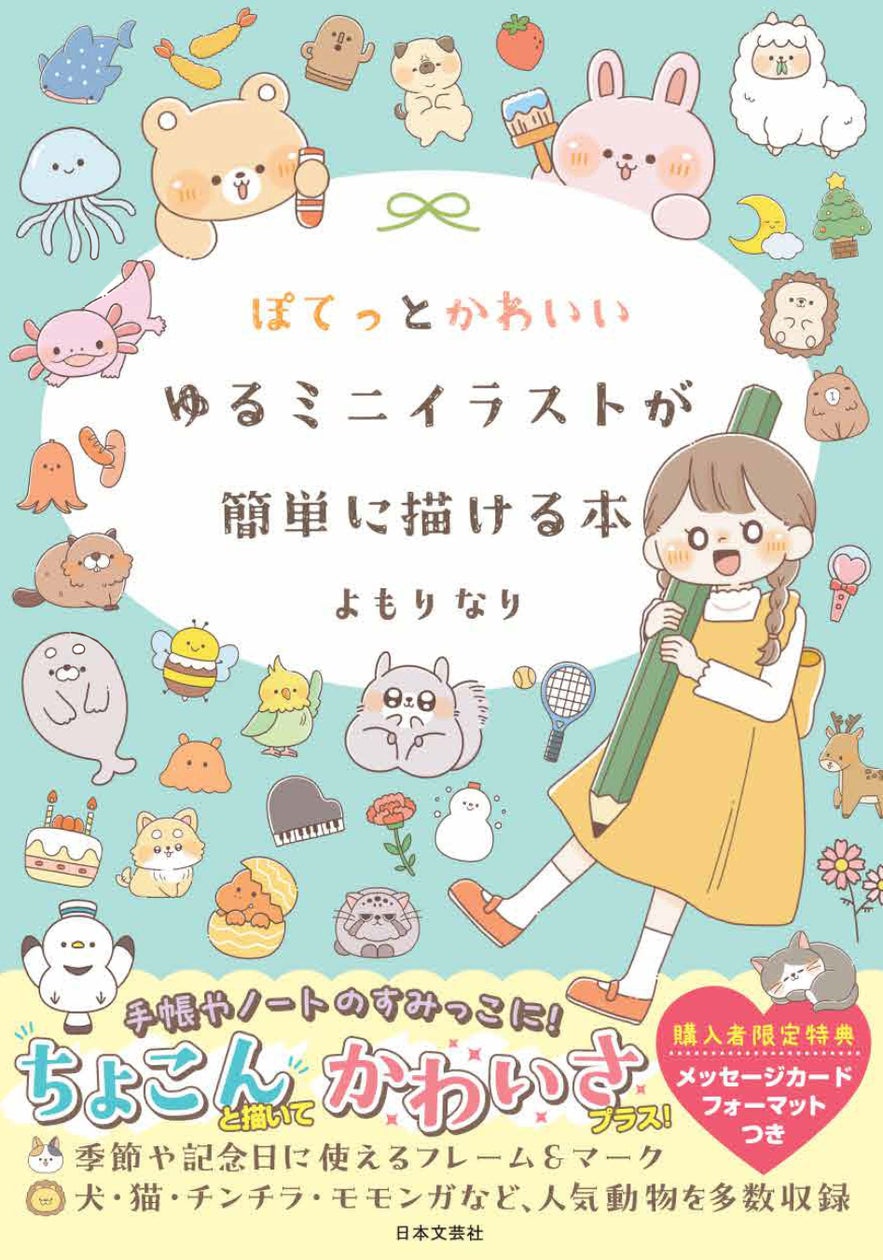
Tokyo-based publisher Nihon Bungeisha rolled out illustrator Yomorinari’s debut instructional art book, Potetto Kawaii Yuru Mini Illustration ga Kantan ni Kakeru Hon (Easily Drawing Chubby, Cute, and Relaxed Mini Illustrations), across Japanese bookstores and online retailers on April 22, 2025. As outlined in the official PR TIMES Report, the release targets hobbyists looking to step away from digital screens and rediscover the tactile joy of quick pencil-and-paper sketches. Centered on round, laid-back feline silhouettes, the guide quickly captured attention across social media feeds and stationery circles.
The book arrived at a moment of cultural exhaustion with complex digital workflows. By stripping animal anatomy down to soft ovals, minimal line counts, and effortless expressions, Yomorinari struck a chord with everyday journal keepers and complete beginners. What began as a viral aesthetic on social feeds has materialized into a physical manual for intuitive, low-stress doodling.
📌 Key Takeaways:
- The Publishing Event: Nihon Bungeisha released Yomorinari’s debut illustration volume on April 22, 2025, offering a dedicated chubby cat drawing guide alongside broader mini-sketch lessons.
- The Aesthetic Appeal: The publication capitalizes on the enduring Japanese yuru-kawaii (relaxed, loose, cute) style, emphasizing quick, approachable sketches that require no formal training.
- Everyday Utility: Designed primarily for notebook margins, planners, and stationery, the tutorial positions hand-drawn doodles as an antidote to screen fatigue.
The Appeal of Loose, Unhurried Animal Art
The Japanese concept of yuru-chara and relaxed illustrations, often summarized by the keyword yurui, deliberately rejects the rigid demands of classical proportion. Lines wobble naturally. Limbs are stubby. Torsos resemble soft dumplings. In Yomorinari’s visual universe, a cat is rarely an agile predator. Instead, the feline sits as an unbothered, chubby blob resting comfortably on a page.
This approach eliminates the performance anxiety that routinely derails adult beginners. Traditional art guides tend to demand rigorous vanishing points, muscle anatomy, and tonal hatching. Yomorinari removes those hurdles entirely. By validating imperfect, relaxed cat illustrations as finished artistic expressions, the format invites readers to pick up cheap gel pens or colored pencils without worrying about making mistakes.
Stationery enthusiasts have embraced this philosophy with open arms. The visual language blends seamlessly into modern personal planners, study trackers, and memo slips left on office desks. A two-second doodle of a loafing kitten conveys warmth far more effectively than a printed emoji ever could.
Inside Nihon Bungeisha’s Spring 2025 Release
Headquartered in Chiyoda-ku, Tokyo, Nihon Bungeisha built the promotional rollout for the April 22, 2025 drop around accessibility. The title itself, which roughly translates to creating "pleasingly plump, relaxed mini illustrations with ease", broadcasts its mission directly to browsing shoppers. Rather than demanding expensive tablet hardware or professional Copic markers, the instructions assume the reader holds nothing more sophisticated than a standard ballpoint pen.
The editorial team structured the book around bite-sized exercises that take between 30 and 90 seconds to complete. Readers begin with foundational geometric curves, move through facial features consisting of basic dots and dashes, and progress toward dynamic scenarios like cats curled inside coffee mugs or balancing atop pieces of toast.
Retail displays across Tokyo’s major book chains, including Kinokuniya and Maruzen, gave the title prominent placement within lifestyle and craft aisles. The physical volume's compact dimensions and soft pastel cover palette mirror the soothing aesthetic found inside its pages.
Milestones in the Rise of Minimalist Sketch Guides
The path from niche social-media illustrator to published instructional author reflects changing retail patterns in hobby publishing over the past three years. The table below traces key milestones leading to Yomorinari's debut and the broader wave of simple mini illustration guides.
| Timeframe | Industry Milestone | Audience & Cultural Impact |
|---|---|---|
| 2023, 2024 | Social feeds see a surge in micro-video tutorials showcasing 10-second animal doodles. | Instagram Reels and TikTok spark a global appetite for minimalist, low-effort sketchbook journaling. |
| Late 2024 | Nihon Bungeisha acquires rights for Yomorinari's beginner-focused manuscript. | Publishers pivot away from dense drawing textbooks toward bite-sized, analog wellness guides. |
| April 21, 2025 | Official media campaign launches via PR TIMES ahead of retail distribution. | Pre-orders trend across Japanese stationery forums and digital lifestyle feeds. |
| April 22, 2025 | Nationwide retail release across brick-and-mortar stores and major web outlets. | Readers flood social feeds with hand-drawn test pages and bullet journal integrations. |

Core Techniques Behind the Chubby Cat Drawing Guide
Yomorinari’s step-by-step cat drawing methodology relies on breaking complex poses into three distinct stages: base silhouette, expressive markers, and decorative context. Anyone can replicate the system within minutes.
The process starts with an intentionally asymmetric oval. Instead of sketching a rigid geometric circle, the author instructs artists to let their hand relax, allowing the bottom of the shape to sag slightly downward like soft dough. Two tiny triangles placed close together on top instantly establish the head. From there, facial expressions remain intentionally sparse: two pin-prick eyes, an inverted "w" for the mouth, and tiny curved lines representing whiskers.
Body language relies on posture rather than detailed anatomy. Tucking the paws underneath creates an instant "cat loaf," while a single curling line rising from behind suggests curiosity or contentment. Yomorinari pairs these basic animal sketches with everyday objects, teacups, seasonal fruit, or cardboard boxes, allowing users to produce full narrative scenes with fewer than ten strokes.
Bullet Journals and the Viral Spread Across Online Communities
The rapid success of the volume owes much to the thriving international bullet journal community. On platforms like X, Instagram, and Pinterest, users routinely document their daily agendas with hand-drawn marginalia. Yomorinari’s relaxed motifs provided precisely what those creators needed: quick, repeatable drawings that embellish a calendar without eating up evening leisure time.
Community threads spotlight how adaptable these mini sketches are across different paper weights. Because the designs require only thin linework and minimal ink saturation, they rarely bleed through standard 80-gsm notebook paper or Japanese Tomoe River sheets. Practitioners share photos of weekly meal planners flanked by plump calicos or habit trackers marked with smiling paw prints.
The viral reaction also reflects a broader longing for low-stakes creative outlets. Users openly post side-by-side images of their initial awkward attempts alongside their tenth tries, celebrating the slightly misshapen cats as charming rather than defective. The book’s core message, that an illustration does not need polish to deliver joy, resonates far outside Japan's borders.
Frequently Asked Questions (FAQ)
Q1: Do readers need prior drawing experience to follow Yomorinari's tutorials?
A1: Not at all. The lessons break figures down into basic ovals, dots, and simple curves, making them accessible to complete novices, children, and experienced artists looking to simplify their style.
Q2: What specific art supplies are recommended for these illustrations?
A2: Standard water-based or gel-ink pens (such as 0.38mm or 0.5mm nibs), mild color markers, or basic colored pencils work perfectly. No specialized art tablets, sketchpads, or expensive tools are required.
Q3: Is the book accessible to international readers who cannot read Japanese?
A3: Yes. While the written instructions are in Japanese, the step-by-step illustrations are heavily visual. Each tutorial uses sequential, numbered progress frames that demonstrate each stroke clearly without requiring language comprehension.
The Lasting Cultural Value of Hand-Drawn Simplicity
The enthusiastic reception of Yomorinari’s debut work proves that simple human expression holds lasting cultural value. In an era saturated with automated generative imagery, hyper-rendered graphics, and screen fatigue, people actively crave the unpretentious reality of ink on paper.
A miniature doodle of a chubby, sleeping cat does not aim to challenge the art establishment or push technical boundaries. Its purpose is far more grounded: offering a five-minute sanctuary on a busy afternoon, decorating a loved one's lunchbox note, or quietly enlivening the margins of a daily planner. By turning the humble art of the loose cat sketch into an approachable daily practice, Nihon Bungeisha and Yomorinari have delivered an everyday creative antidote for modern life.
