Yona of the Dawn Finale Revealed: How the 16-Year Epic Manga Officially Concludes
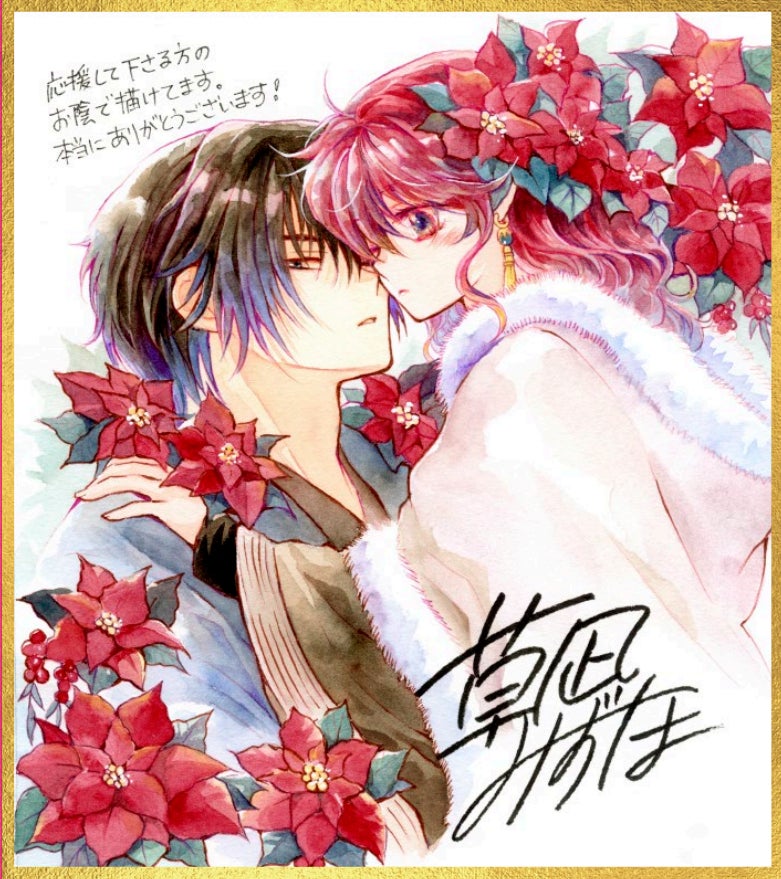
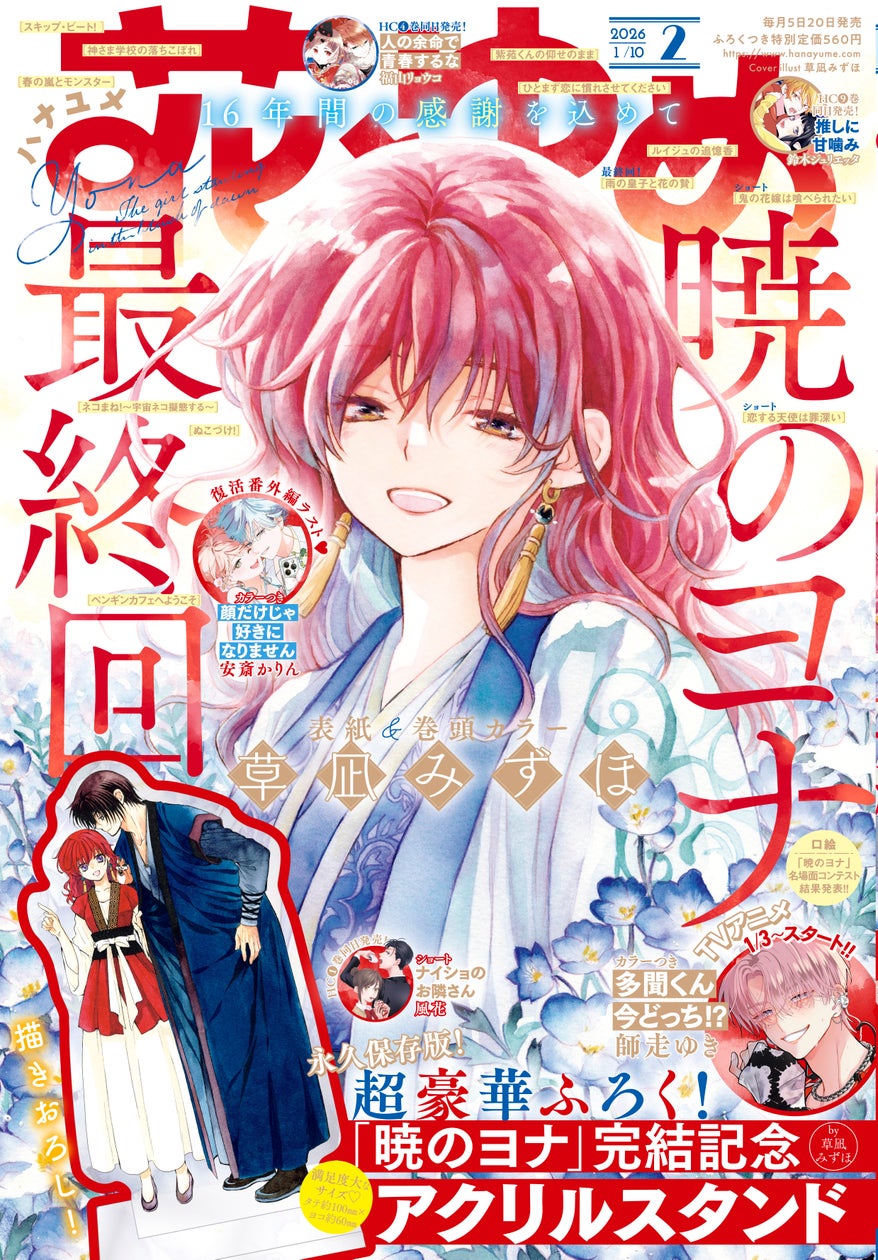
After sixteen years of unbroken monthly serialization, Mizuho Kusanagi has officially brought her fantasy epic Akatsuki no Yona to an end. Hakusensha published the final chapter in the second 2026 issue of Hana to Yume on December 19, 2025, closing an arc that began in the magazine's seventeenth issue back in 2009. Readers opening the magazine were met with an unexpected second revelation: alongside the manga's conclusion, Hakusensha confirmed that a long-awaited anime sequel is in active production, as detailed in the publisher's official release via the PR TIMES Report.
The serialization leaves behind an undeniable imprint on modern shōjo manga. Spanning more than 250 chapters and collected across dozens of tankōbon volumes, Kusanagi's work blended palace politics, East Asian mythic warfare, and personal tragedy into a character study that bucked traditional magazine conventions. For global fans searching for clarity on the climactic developments, from the fate of the Kouka Kingdom throne to the lifting of the Crimson Dragon's blood pact, the final chapter delivers decisive answers.
📌 Key Takeaways:
- The Publication Milestone: Yona of the Dawn concluded on December 19, 2025, in Hana to Yume Issue 2, marking the end of a continuous 16-year run.
- The Animated Return: A direct anime sequel was greenlit alongside the finale, breaking an eleven-year hiatus following the original 2014 television broadcast.
- The Core Resolution: The final chapter settles the succession crisis, dissolves the supernatural tether binding the Four Dragon Warriors, and secures the partnership between Yona and Hak.
The Crimson Castle Reclaimed: How the Political Struggle Settles
The central structural question driving Yona of the Dawn has always been legitimate governance versus ruthless pragmatism. From Chapter 1, when Su-won assassinated King Il to seize the throne, the story operated on two divergent tracks: Su-won rebuilding the military strength of Kouka, and Yona witnessing the suffering of commoners that the capital ignored. The final stretch of the story dismantles the assumption that one had to kill the other for Kouka to survive.
Su-won’s terminal decline from the hereditary crimson illness placed a hard expiration date on his rule. Rather than orchestrating a violent palace coup, the narrative strips away the mystique of absolute monarchy. Su-won recognizes Yona's growth not as a rival claimant backed by divine prophecy, but as an administrator who actually understands the kingdom's borders, tribes, and civilian grievances. The crown does not pass through bloody retribution. Instead, the final arrangement establishes Yona as Kouka’s sovereign authority, with the five tribes unified not through divine fear, but through mutual diplomacy forged during the border wars.
Su-won survives the narrative's climax, though his days of absolute autocratic command are over. His ultimate fate subverts standard revenge tropes: he is not executed as a traitor, nor is his murder of King Il forgiven. He steps away from the active seat of power, leaving the reconstruction of Kouka in the hands of the council and Yona, while Hak stands as the supreme general maintaining order across tribal boundaries.
Lifting the Blood Pact: The Fate of the Four Dragon Warriors
For more than four hundred years, the mythology of King Hiryuu demanded physical sacrifice. The four dragons, Kija (White Dragon), Shin-ah (Blue Dragon), Jae-ha (Green Dragon), and Zeno (Yellow Dragon), lived under an inherited curse of truncated lifespans, societal isolation, and bodily possession, with Zeno trapped in agonizing physical immortality. Readers spent years debating whether Kusanagi would sever the bond through tragedy or liberation.
The conclusion resolves the mythic cycle by severing the supernatural pact entirely. Yona’s symbolic and literal rejection of the divine mandate frees the dragon warriors from their predestined duty. The crimson dragon king's soul no longer binds divine spirits to human flesh:
- Zeno’s Release: The regeneration cycle halts. Zeno sheds his unaging physical state, finally allowed to age as a mortal man alongside the people he loves.
- The Severed Claws and Eyes: Kija, Shin-ah, and Jae-ha lose their superhuman physical mutations, gaining standard human lifespans free from early death.
- The End of Succession: Without the dragon gods seeking new human vessels, the lineage of village isolation and child sacrifice permanently ends across the continent.
This thematic choice anchors Kusanagi’s broader message: humanity must govern itself without relying on divine weapons. The Four Dragons remain at Yona’s side in the final pages, not as bound supernatural guardians, but as free companions who choose loyalty over destiny.
Hak and Yona: The Culmination of a 16-Year Romance
Few slow-burn romances in the medium carried the emotional weight of Hak and Yona. Starting from childhood friends torn apart by regicide, their dynamic shifted across sixteen years through battlefield survival, unspoken grief, and mutual protection. Hak’s self-imposed role as an expendable shield frequently clashed with Yona’s refusal to let him die for her sake.
The final chapter gives their relationship definitive closure. In the aftermath of the kingdom's stabilization, Hak sheds the psychological burden of being solely a bodyguard living in the shadow of the Wind Tribe's exile. Yona directly asserts her devotion, removing any ambiguity surrounding their romantic future. They enter the new era of Kouka as equals. Hak does not retreat into solitary mercenary life; he remains the bedrock of her administration and her life, confirmed through intimate, unhurried dialogue that rewards readers who followed their journey from the cliffside escape of Chapter 3.
| Narrative Thread | Early Story Status (2009, 2014) | Final Conclusion (Dec 2025 Finale) |
|---|---|---|
| The Kouka Throne | Usurped by Su-won via regicide; Yona exiled into the wild. | Yona recognized as legitimate leader with tribal council backing; peaceful transition. |
| Four Dragon Curse | Active divine bloodline; short lifespans and agonizing generational replacements. | Pact officially broken; warriors become regular mortals with natural lifespans. |
| Su-won's Fate | Cold autocrat reforming national borders while concealing terminal illness. | Steps down from supreme authority; illness halts his rule without judicial execution. |
| Hak & Yona | One-sided devotion masked by master-servant dynamic and survivor's guilt. | Open romantic commitment and equal partnership leading the reconstructed nation. |
The Sequel Anime Greenlight: Ending an 11-Year Production Drought
The announcement that an anime sequel is officially entering production alters the commercial legacy of the franchise. Studio Pierrot handled the original 24-episode television adaptation, which aired between October 2014 and March 2015. While that season received praise for its art direction and Kunihiko Ryo’s orchestral score, it covered roughly the first eight volumes, stopping right after the recruitment of Zeno.
For more than a decade, the anime remained frozen in place, serving as an elaborate introduction while over thirty volumes of high-stakes wartime arcs remained unadapted. Hakusensha's decision to greenlight a sequel alongside the print finale reflects a production strategy seen across modern long-form manga adaptations: bringing legacy hits to animated completion once the full narrative scope is set. While the production team has not yet released a fixed seasonal broadcast schedule, details regarding production staff and distribution will roll out through upcoming issues of Hana to Yume.
Mizuho Kusanagi's 16-Year Serialization Legacy
Sustaining a bi-weekly to monthly fantasy epic for 16 years without major narrative collapses is an exceptional feat in modern publishing. Serialized in Hana to Yume, Akatsuki no Yona proved that female-led high fantasy could rival standard shōnen juggernauts in scope, choreography, and military logistics without compromising personal emotional stakes.
The print finale in Issue 2 arrived with significant fanfare in Japanese bookstores, bundled with a celebratory acrylic stand illustrated by Kusanagi and special retrospective essays. Readers tracking online reactions across X and 2channel noted the absence of hurried pacing, a frequent issue in long-running serial conclusions. Kusanagi brought her plot threads to a measured stop, giving each tribe, advisor, and dragon companion room to breathe before closing the final panel on Hiryuu Castle.
Frequently Asked Questions (FAQ)
Q1: Does Yona officially become the Queen of Kouka Kingdom?
Yes. While she does not operate as an authoritarian monarch, she takes rightful leadership of Kouka Kingdom with the full support of the Five Tribes, bringing political stability after Su-won relinquishes his autocratic control.
Q2: Do Hak and Yona end up together in the final chapter?
Yes. Their romantic bond is openly confirmed and solidified. The unresolved romantic tension that defined much of the journey concludes with mutual devotion, and they stand united as partners in leading the country.
Q3: Does Su-won die from the crimson illness?
Su-won does not die in the final chapter, but his severe condition permanently ends his ability to govern. The story avoids executing him for King Il’s murder, allowing him to witness the peaceful transfer of authority to Yona.
Q4: When will the new Yona of the Dawn sequel anime be released?
Production is officially confirmed by Hakusensha as of December 2025. Broadcast dates, studio confirmation, and release windows are slated for reveal across official Hakusensha announcements.
The Long Road Home for Kouka's Princess
Mizuho Kusanagi’s conclusion delivers the kind of structural resolution rare in modern fantasy manga. By resolving the supernatural burden of the Four Dragons, refusing easy revenge against Su-won, and honoring Hak and Yona’s slow-earned intimacy, the finale pays off sixteen years of monthly storytelling. As attention turns toward the newly greenlit animated continuation, Yona of the Dawn leaves the magazine page having answered every question it asked when an exiled princess first picked up a bow.
